

Over the past two decades, we have witnessed a massive expansion of gigantic buildings whose sole purpose is storage. These include logistics warehouses, data centers, and self-storage facilities. When compared to the number of people on Earth, the cumulative stock of food, data, and objects they contain has never been greater in the history of humanity.
We have drifted away from the fundamental act of setting aside what we have carefully and patiently selected to prepare for the future.
How can we move beyond merely stockpiling at a distance and return to preserving?
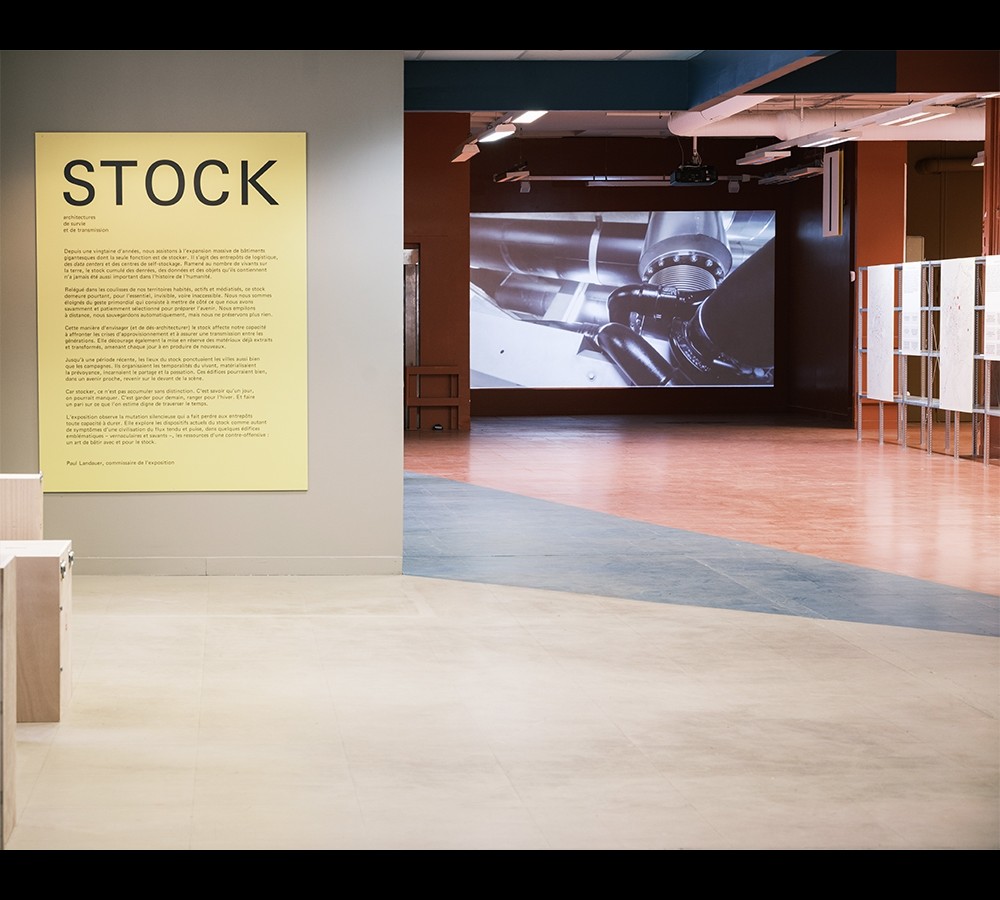
The exhibition Stock: Architectures of Survival and Transmission views stockpiling as a key factor in our ability to weather supply crises and organize the transmission of resources. As a call to re-architect stockpiling, it encourages the preservation of materials already extracted and ready for transformation, rather than producing new ones every day.
Until the Industrial Revolution, storage facilities dotted both cities and the countryside, organizing the rhythms of daily life, embodying foresight, and personifying sharing and the passing of knowledge. Forgotten by the modernity of just-in-time and lean production, these structures may well return to the forefront in the near future.
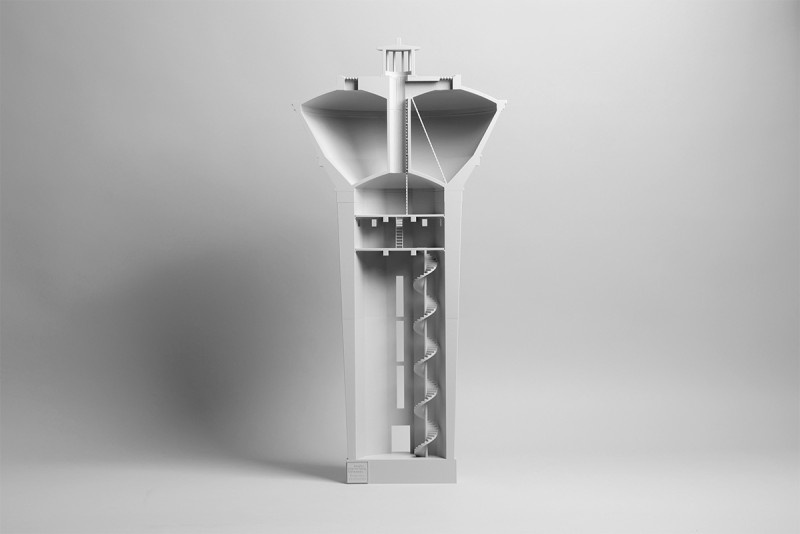
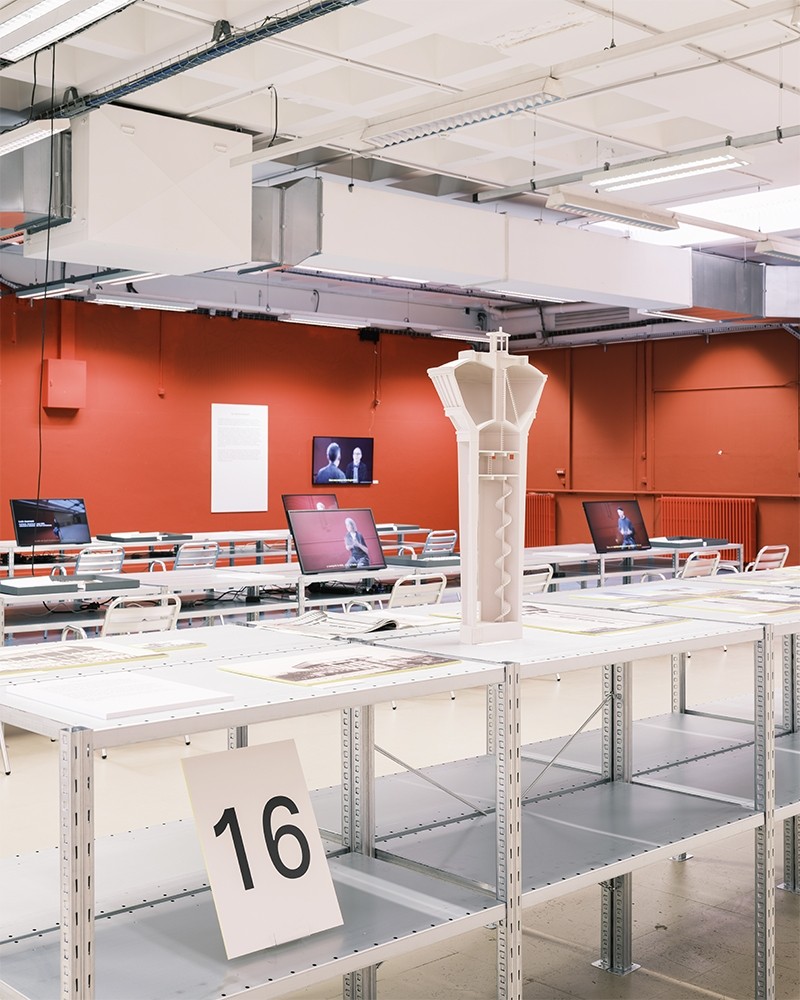
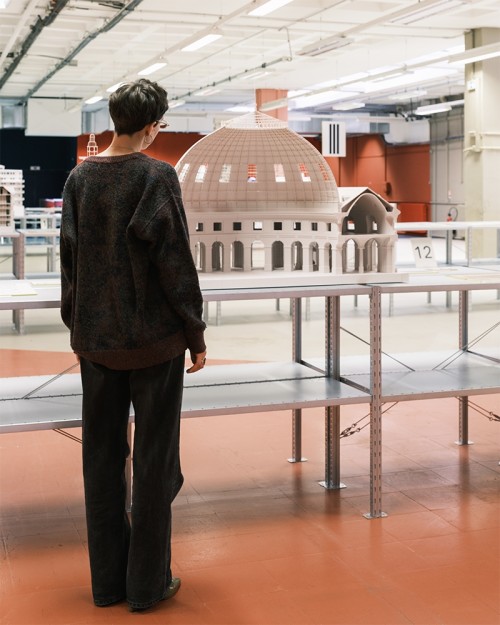
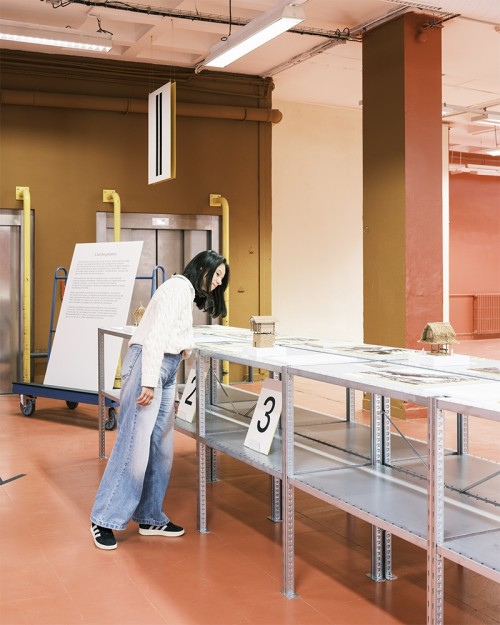
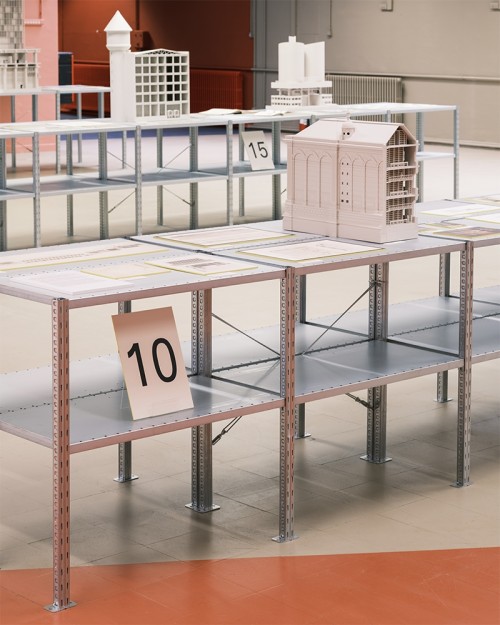
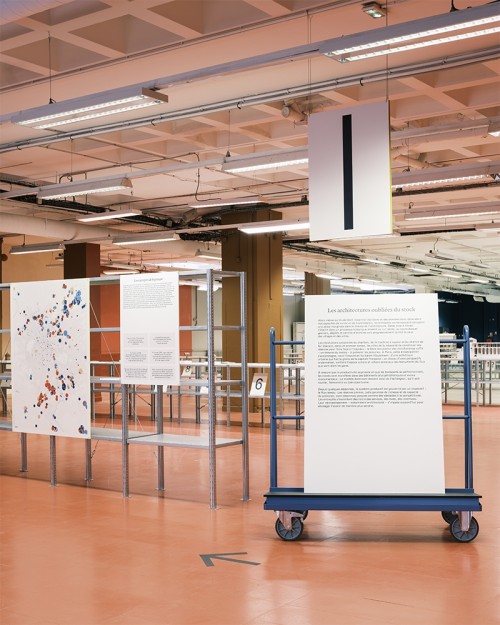
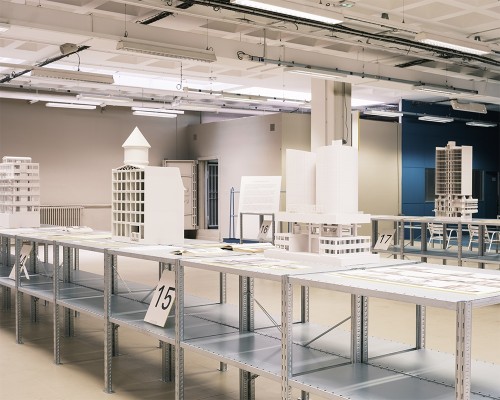
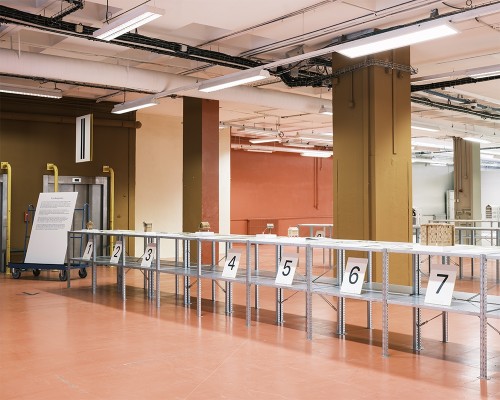
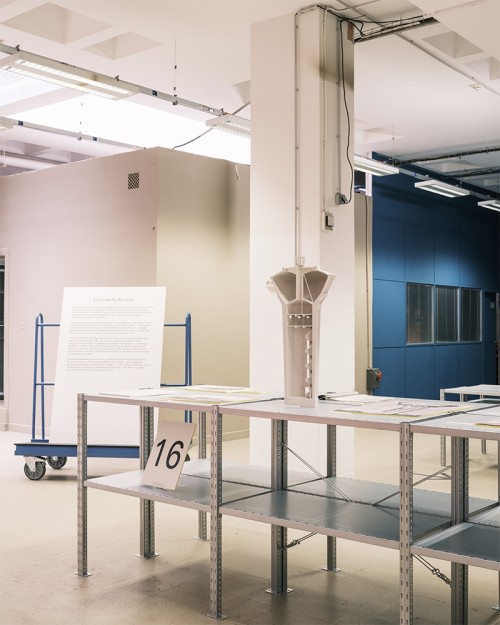
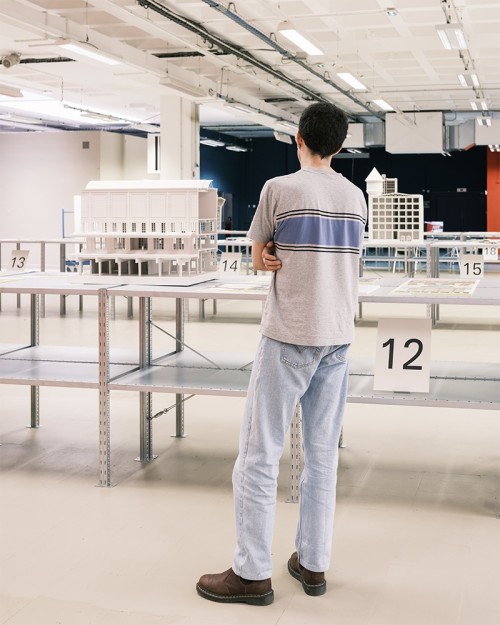
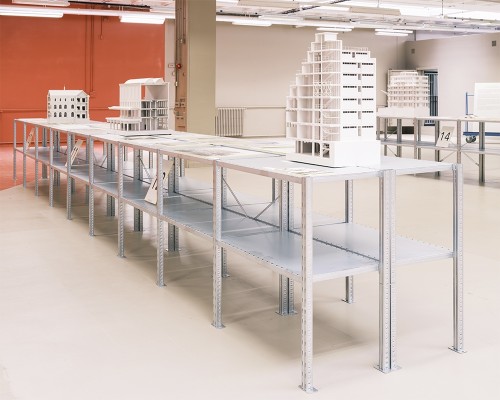
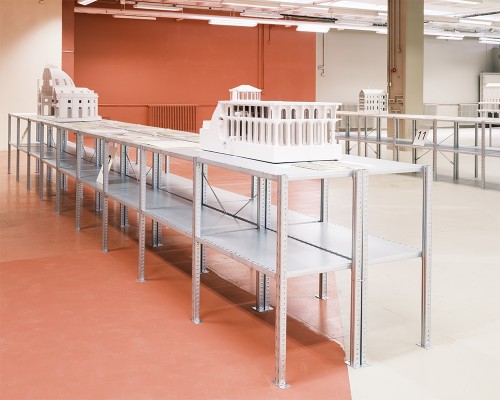
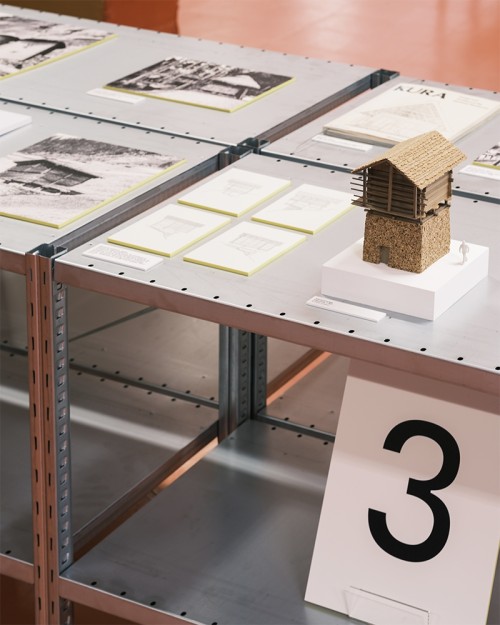
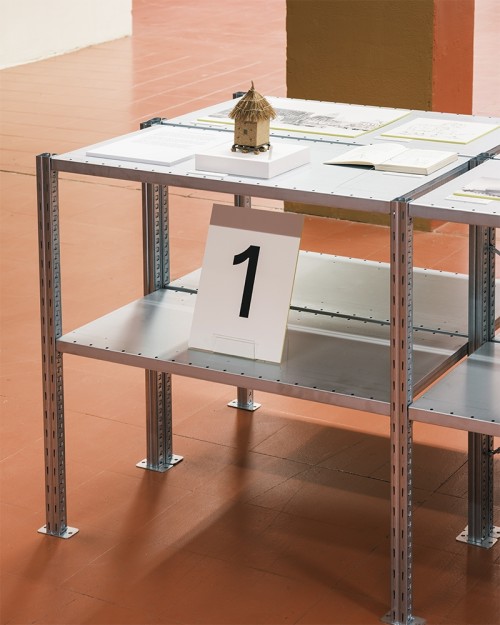
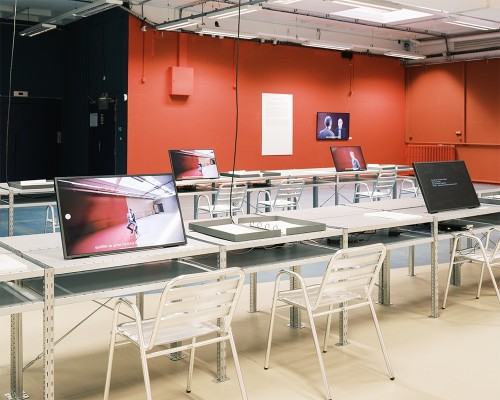
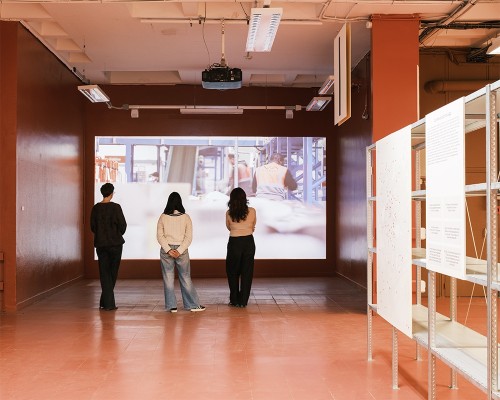
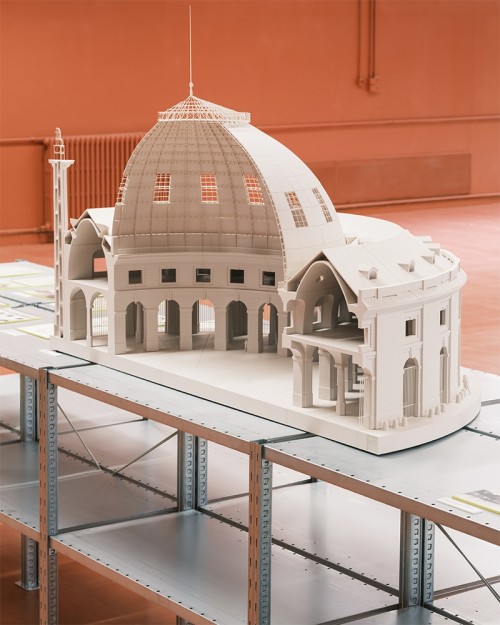
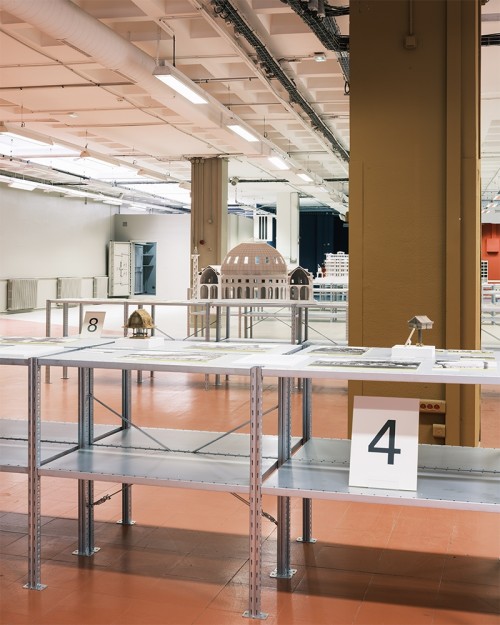
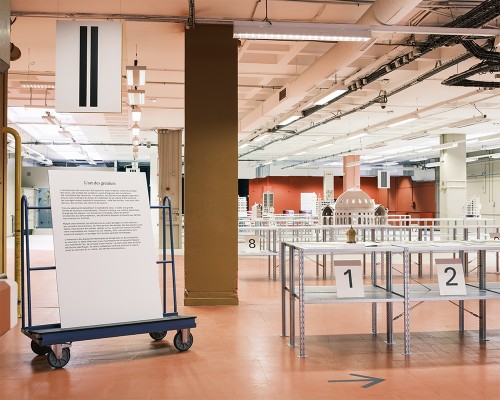
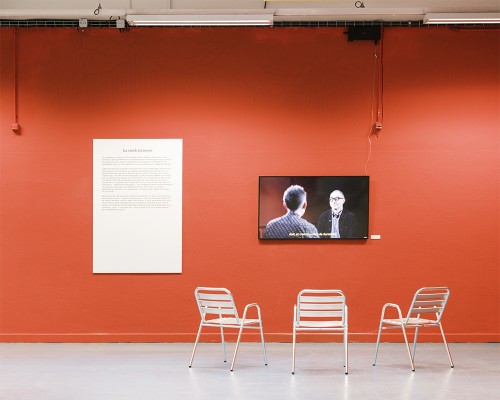
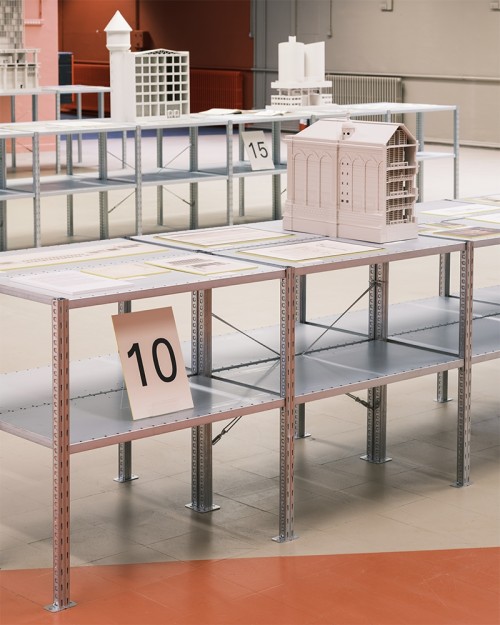
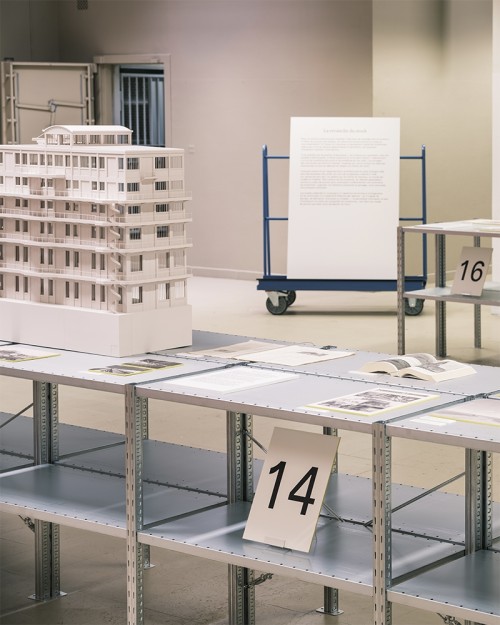
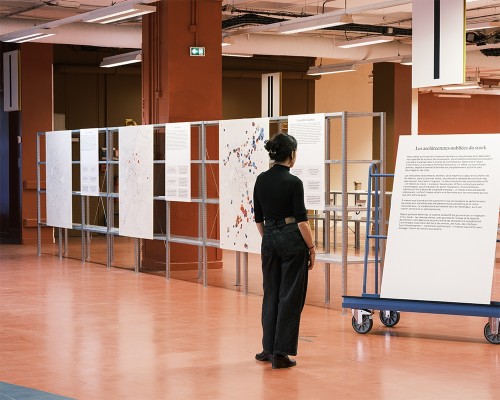
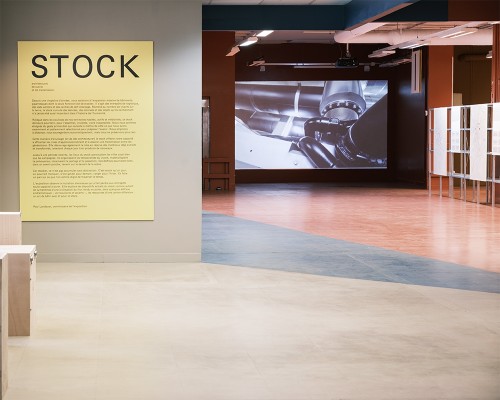
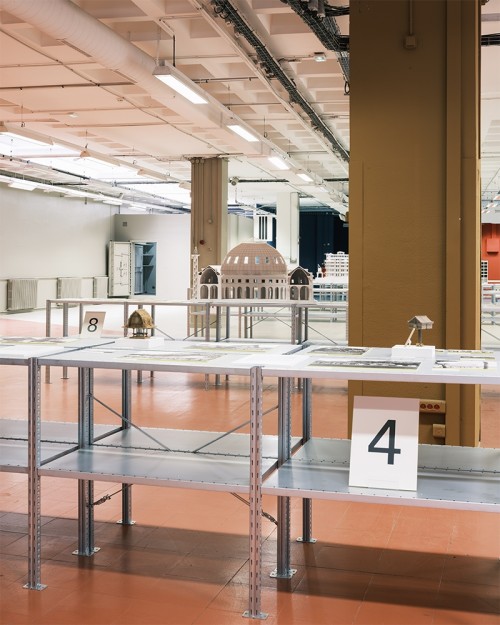
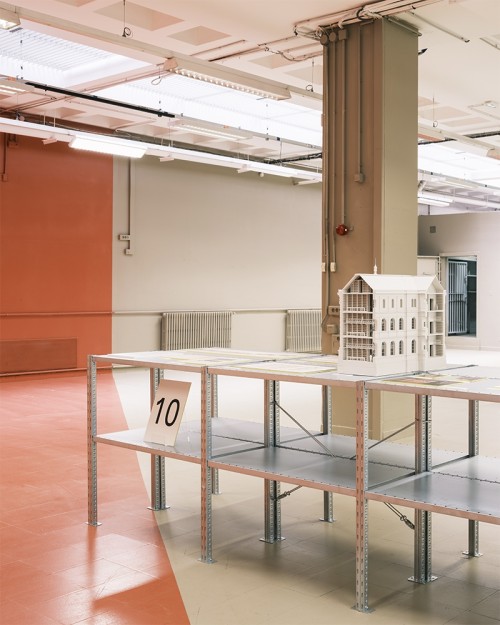
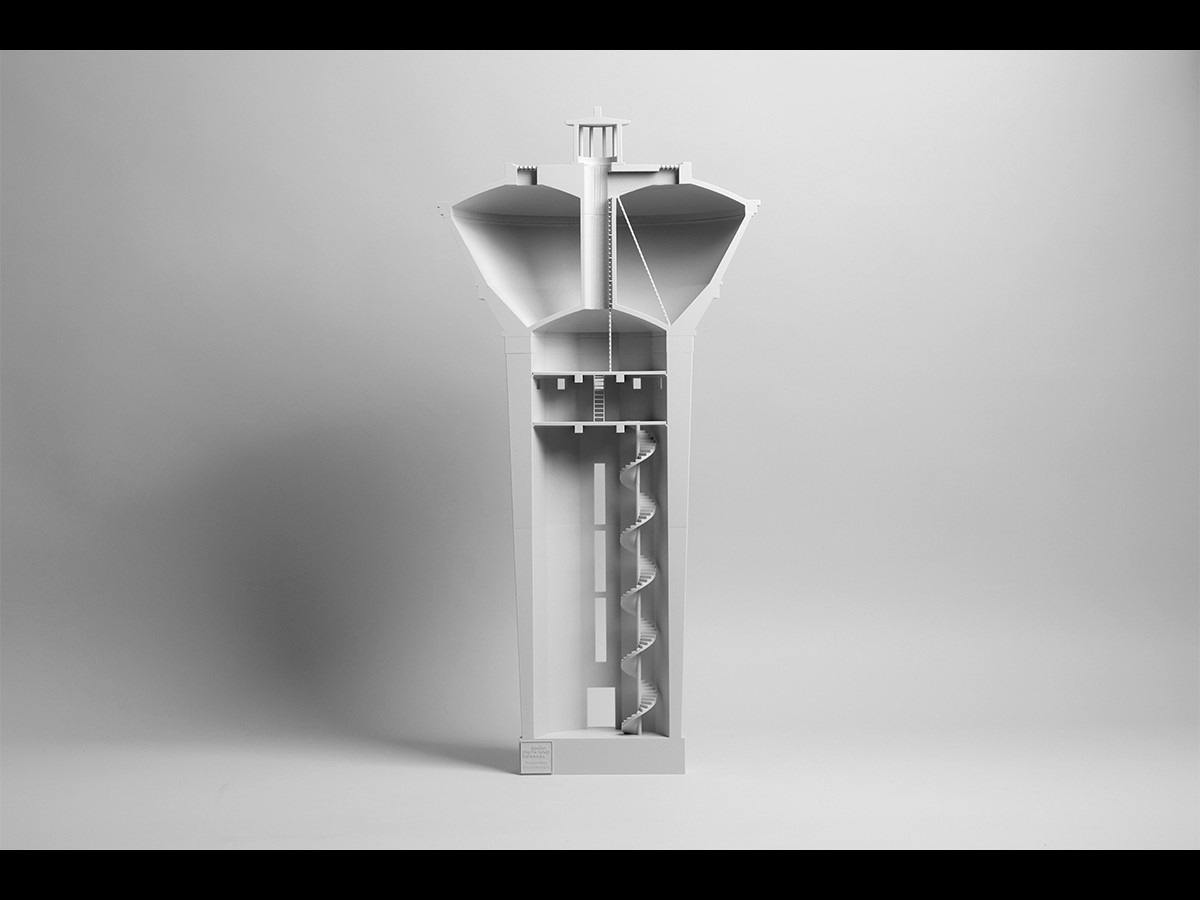
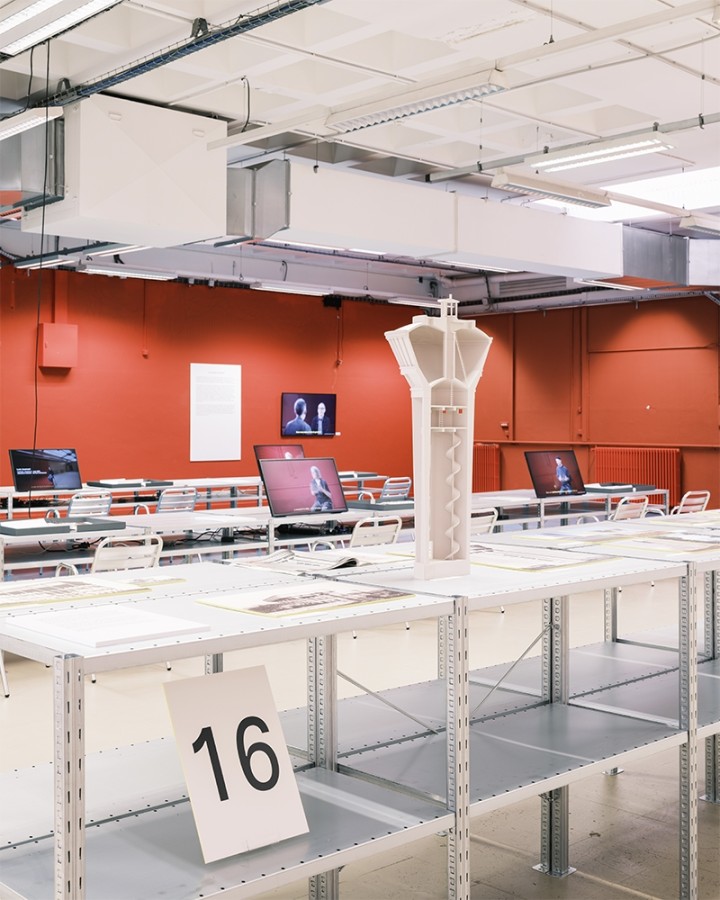
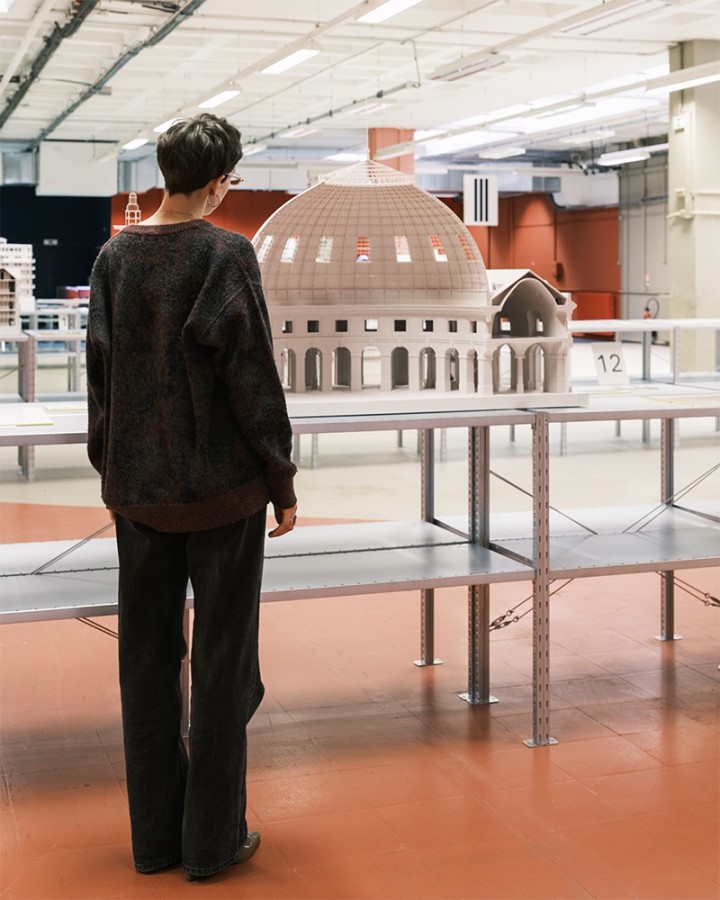
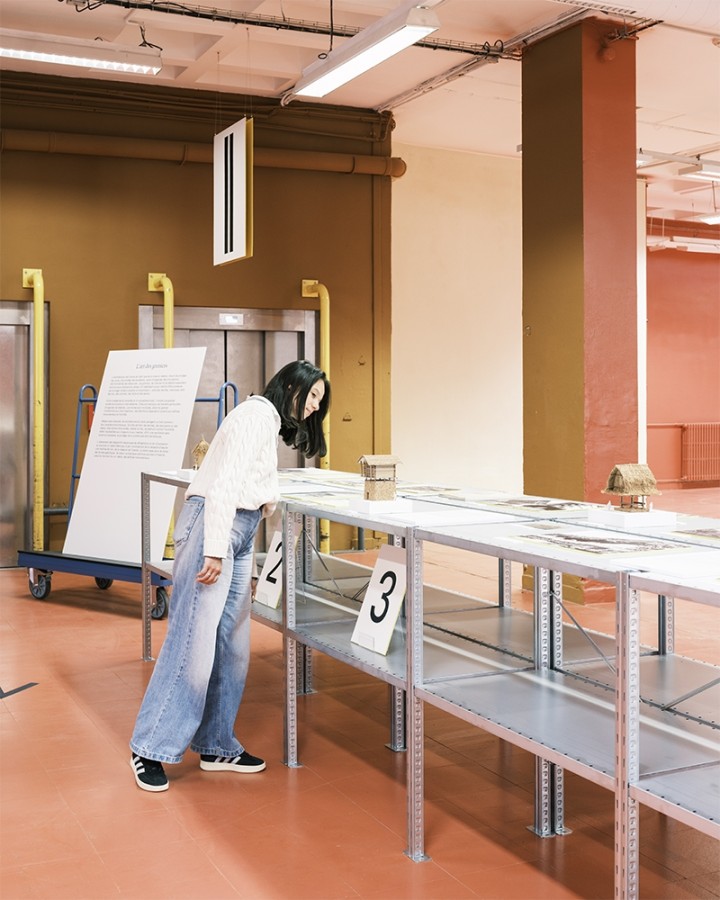
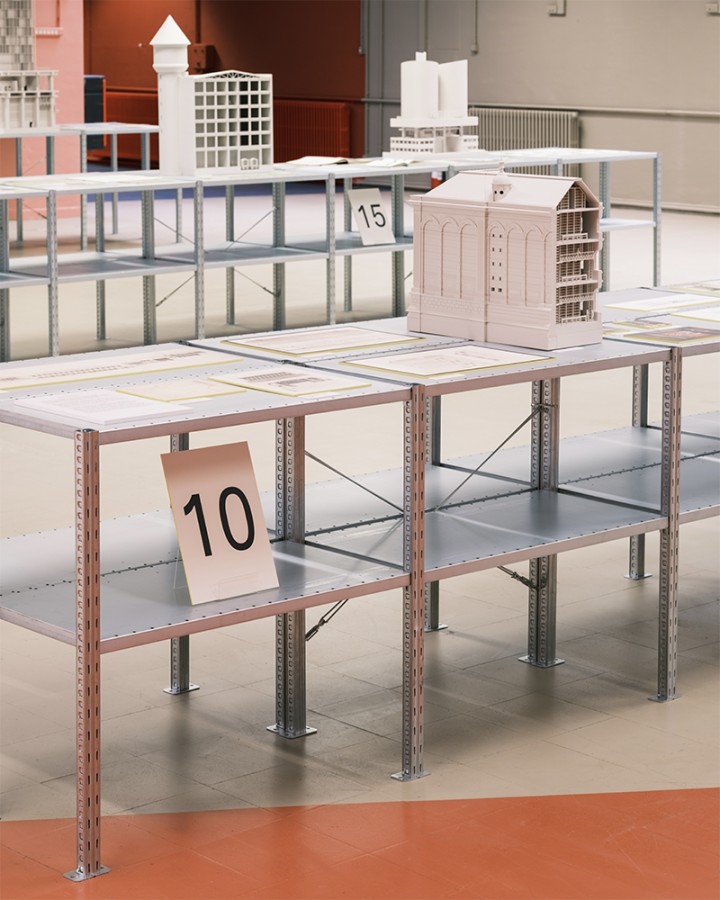
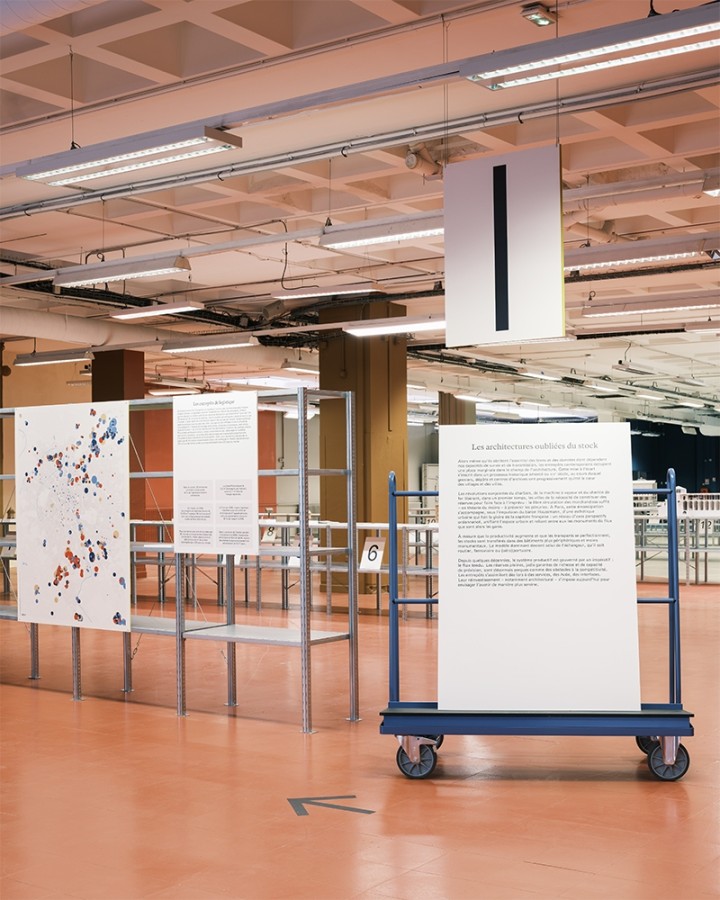
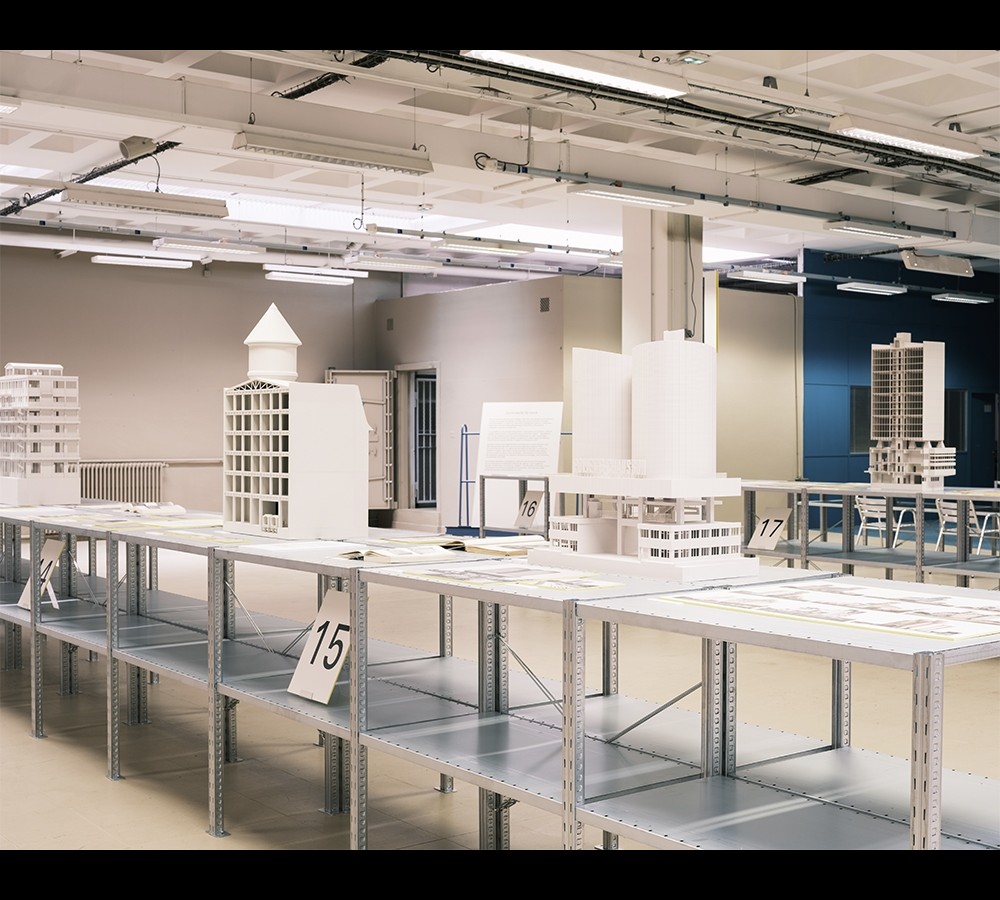
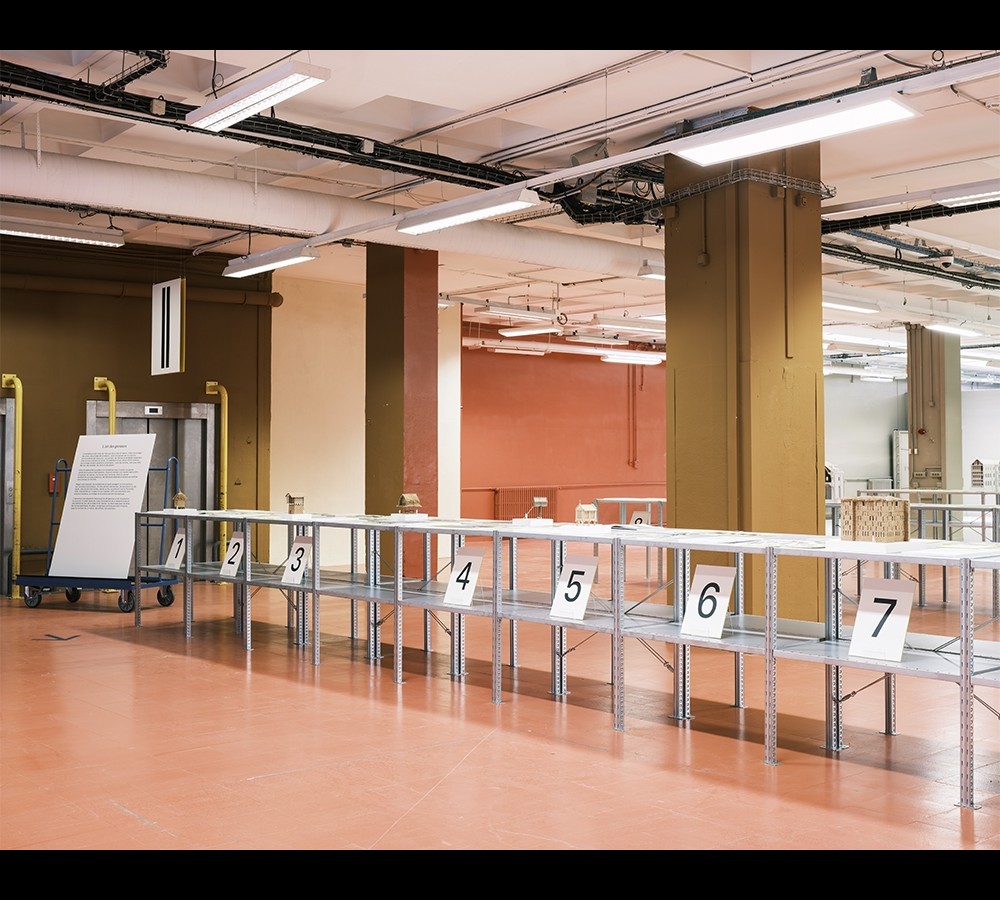
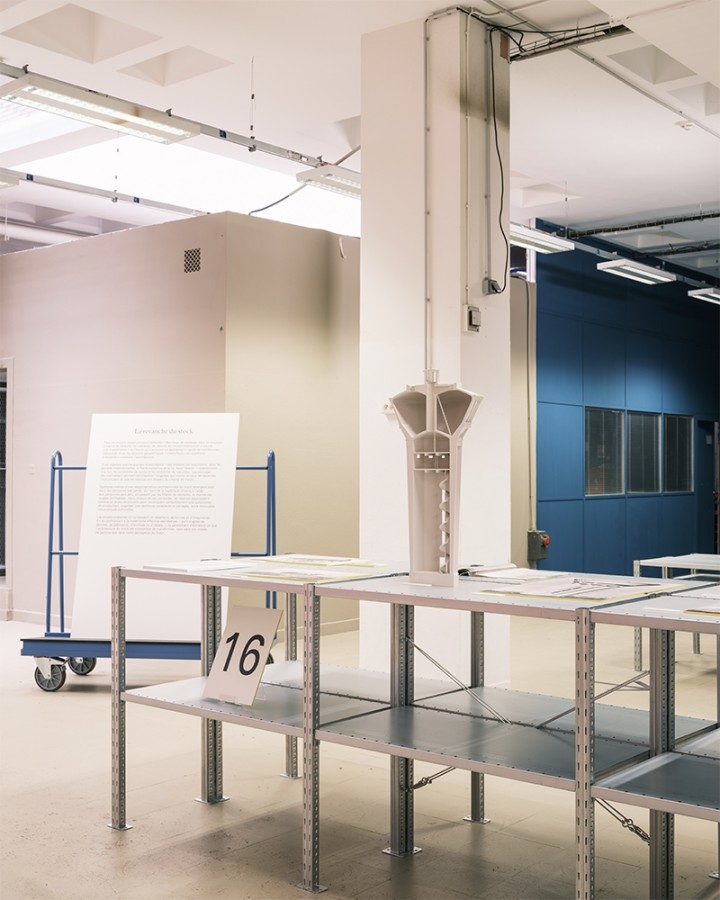
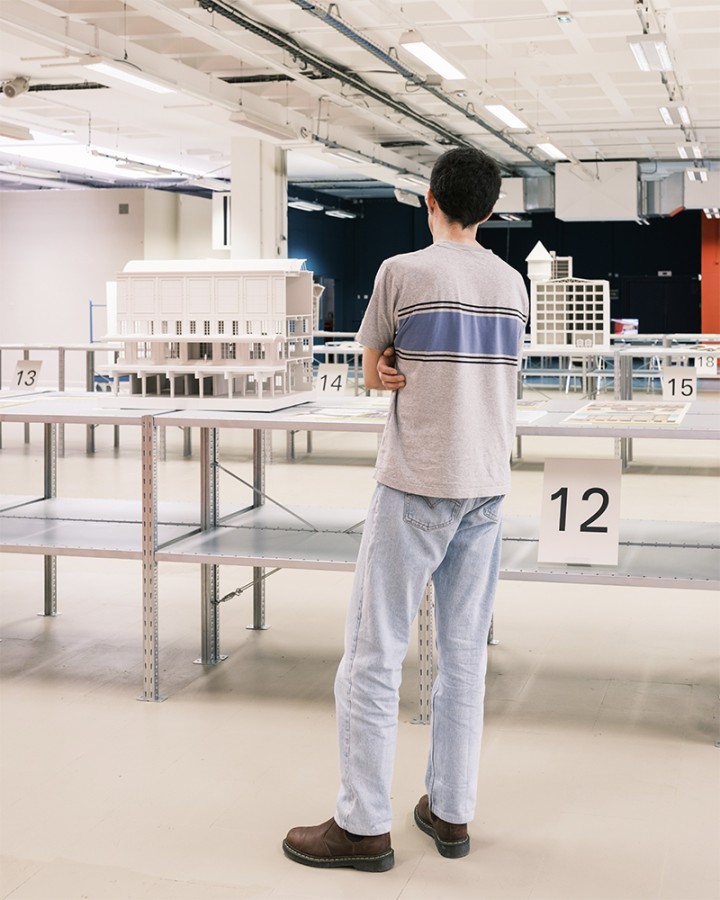
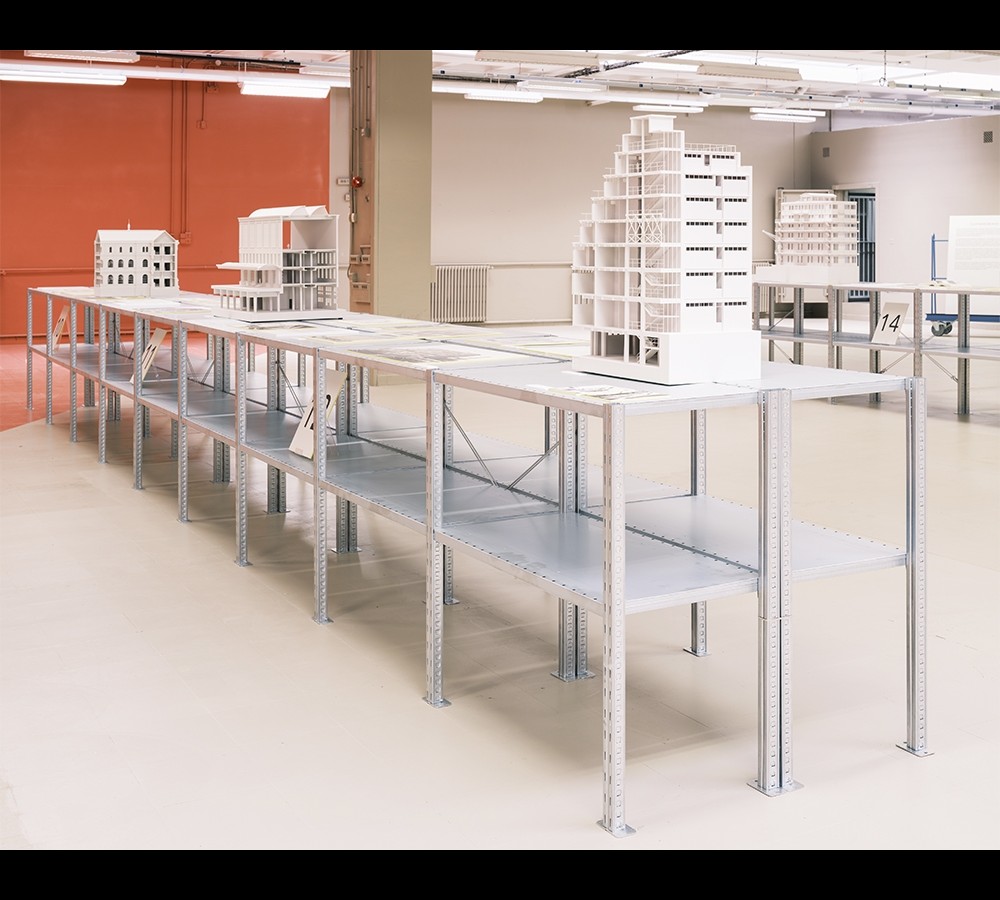
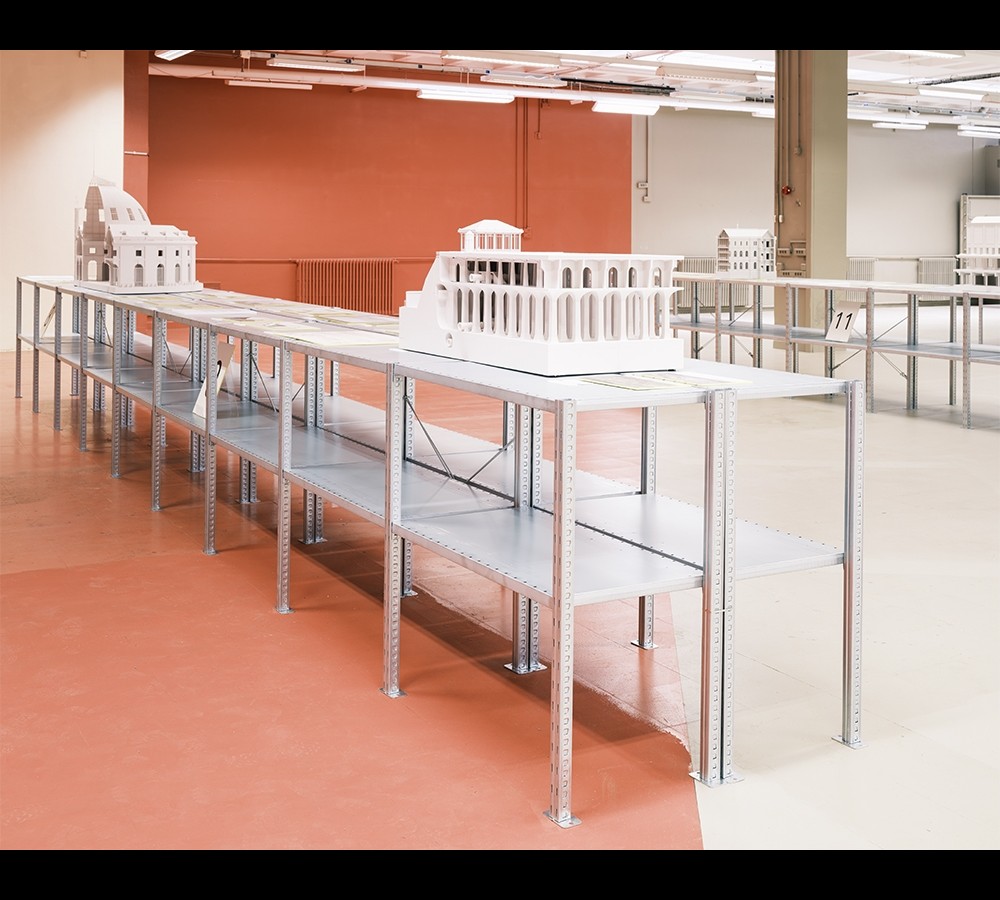
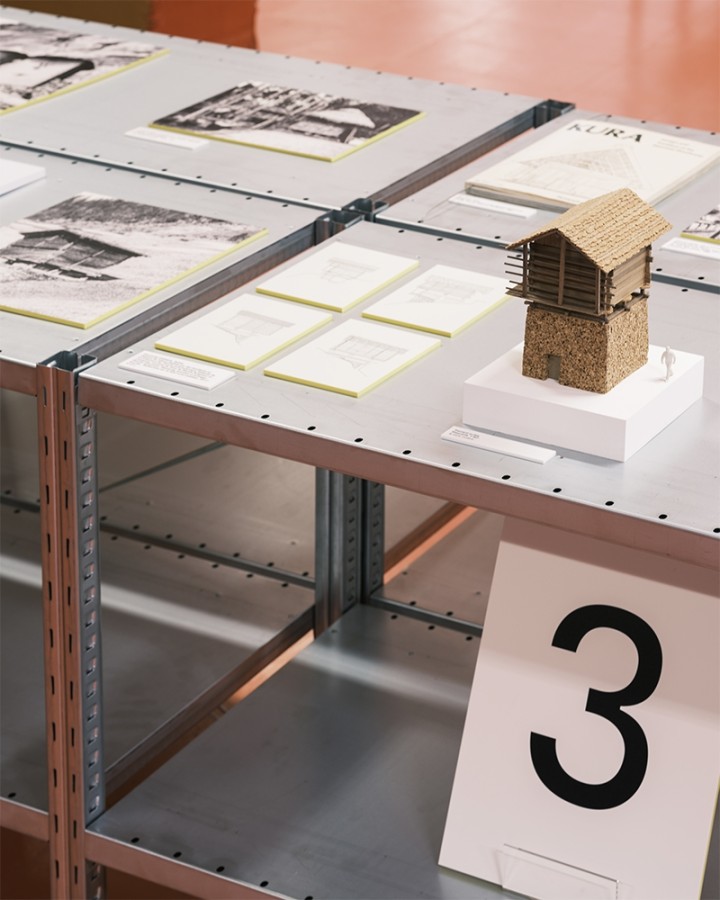
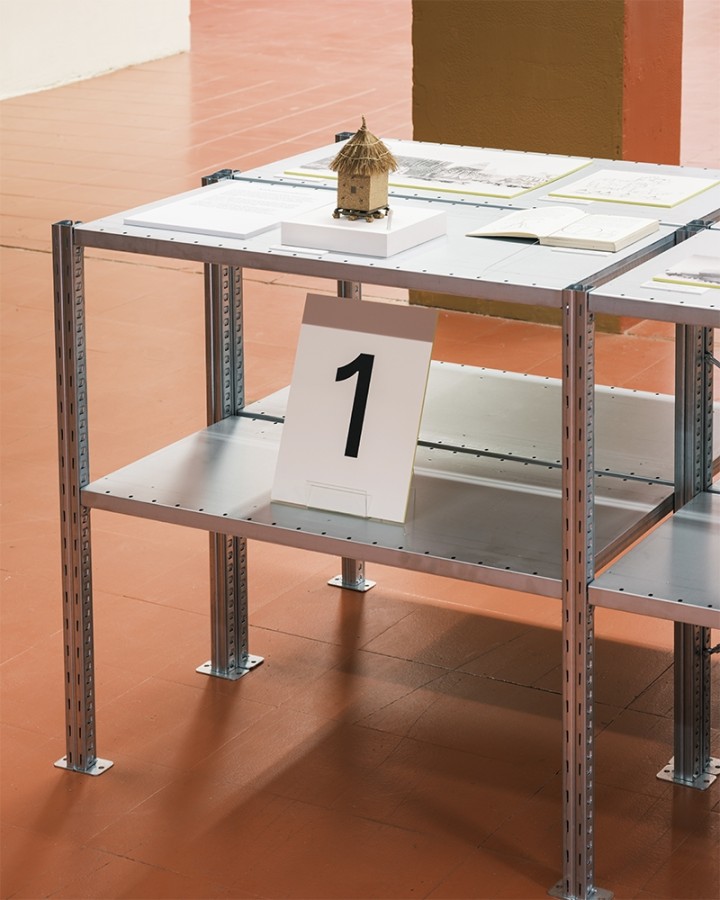
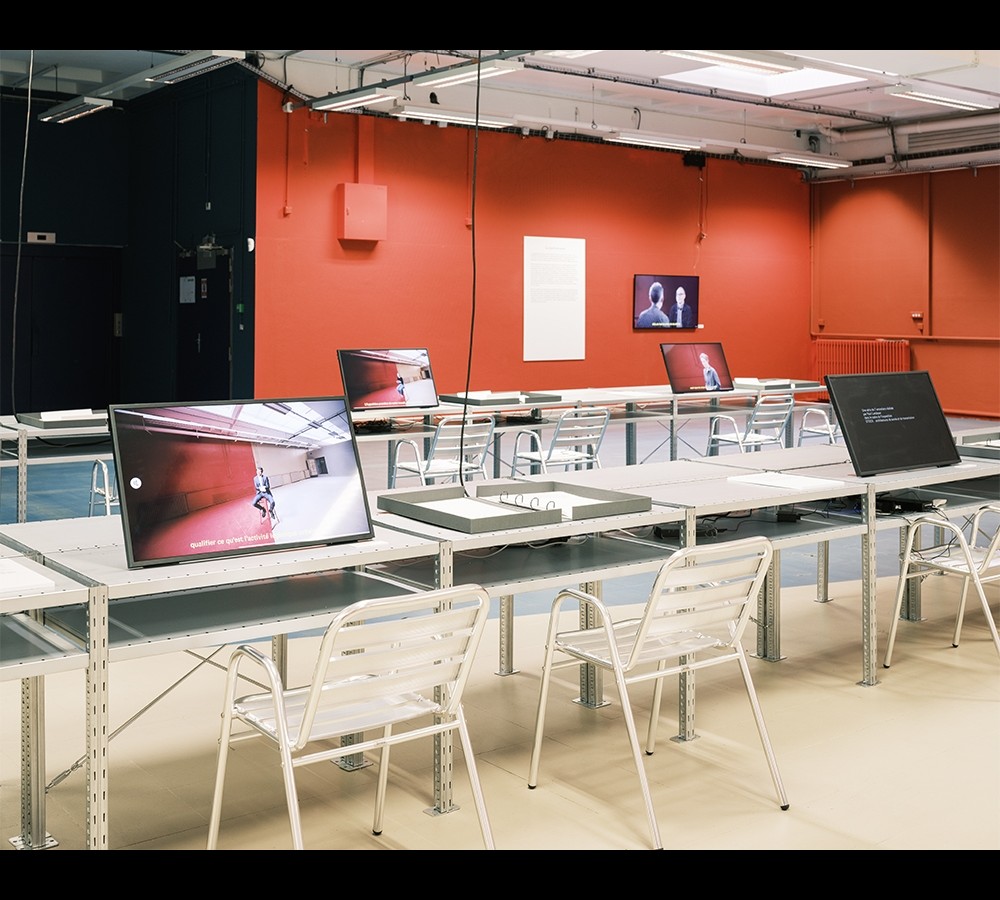
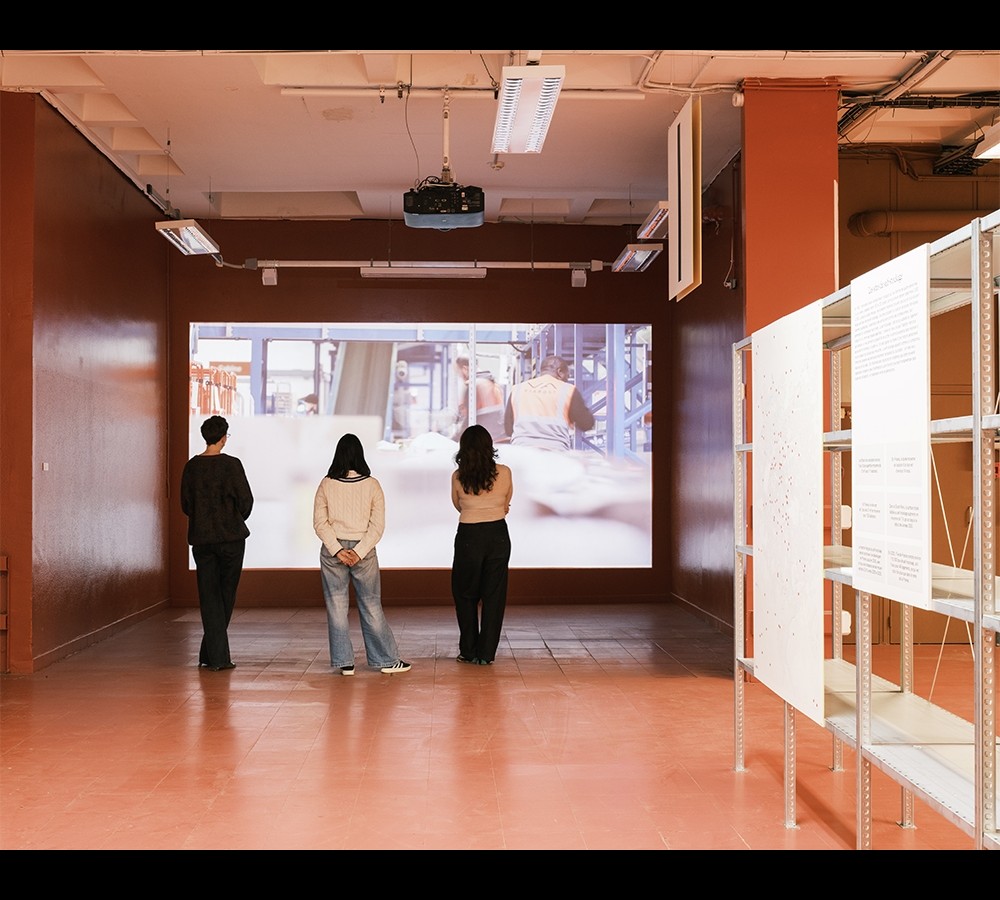
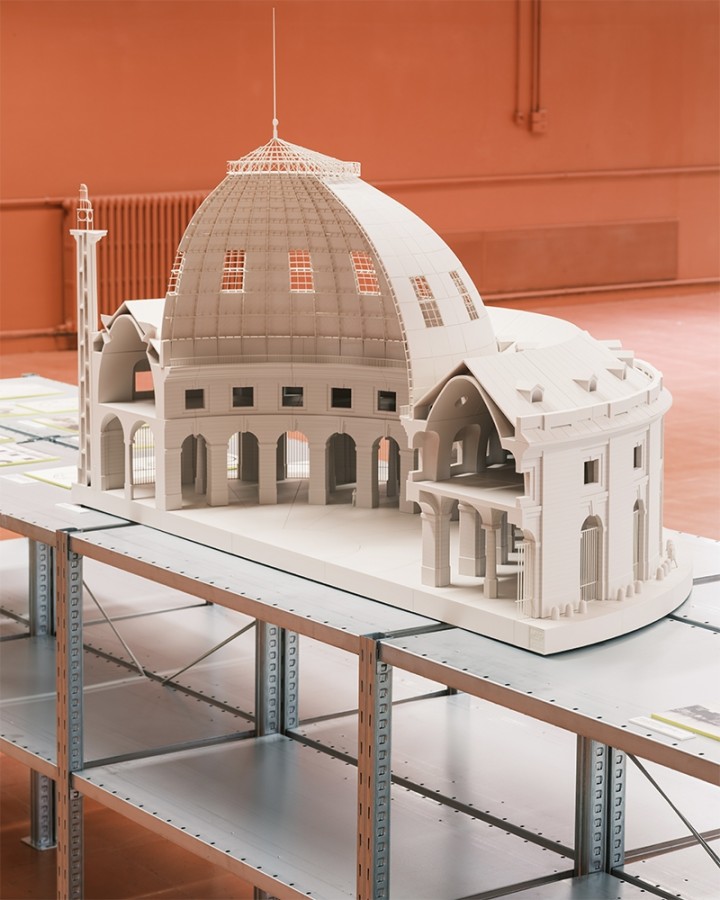
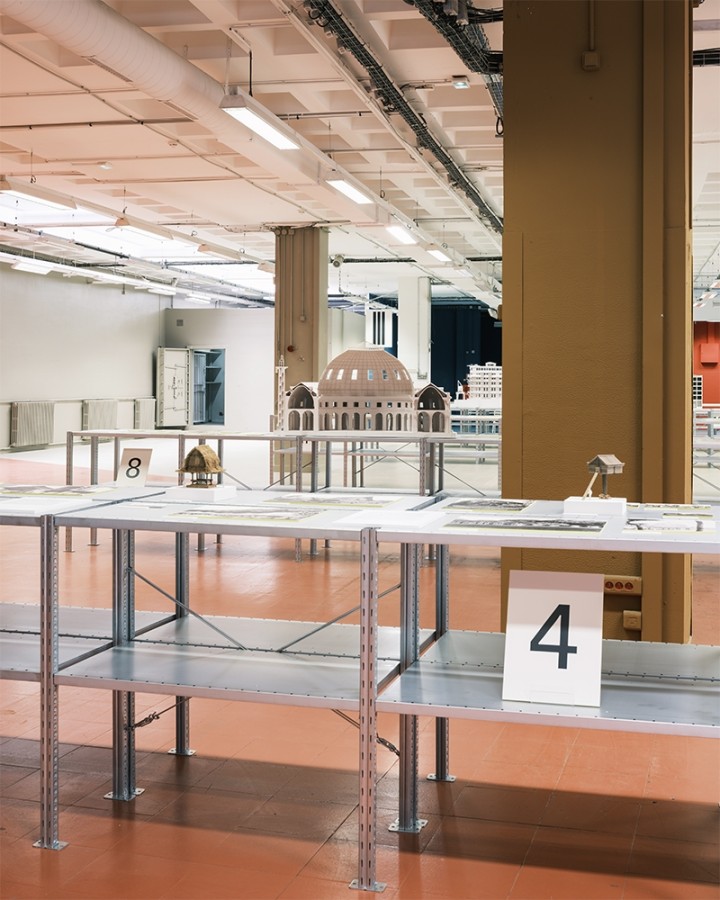
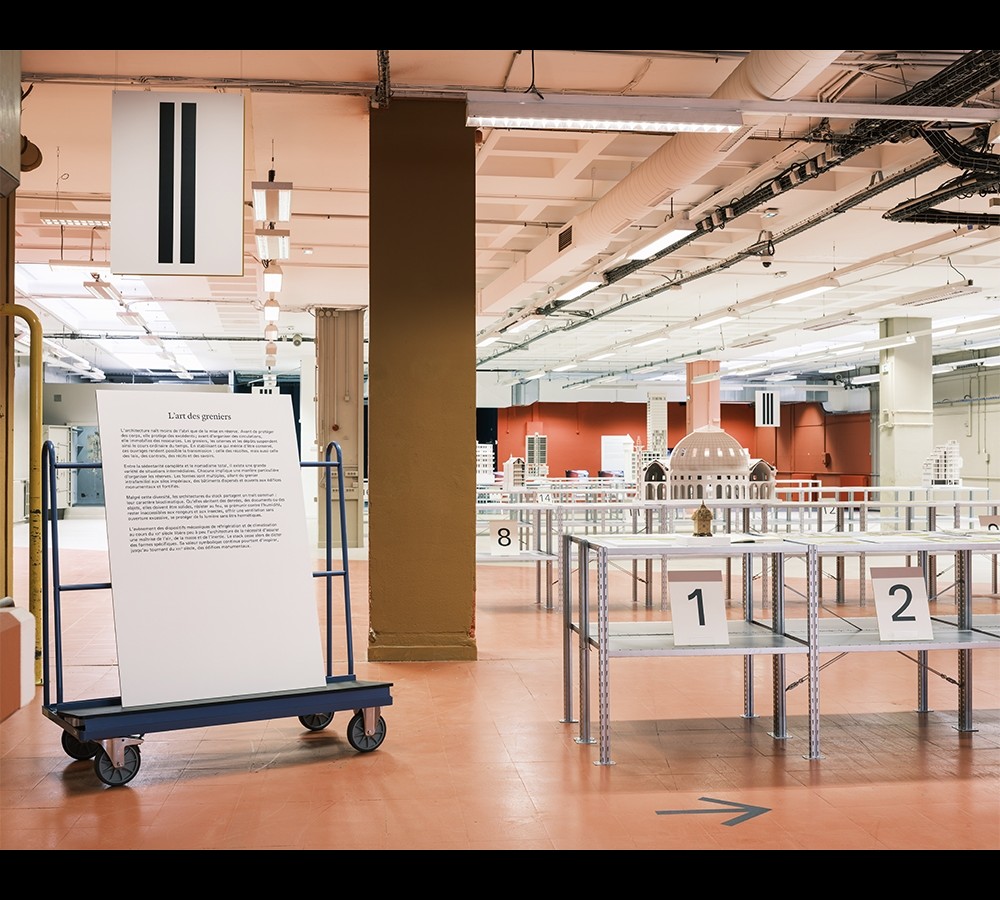
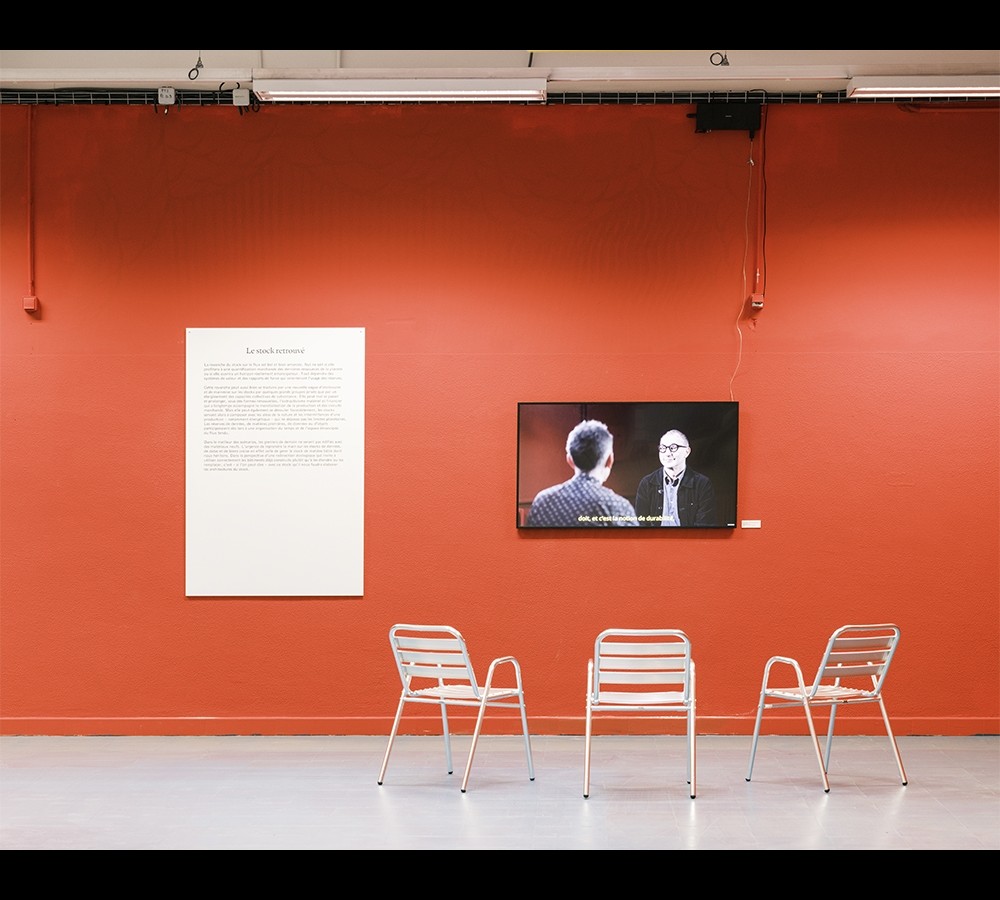
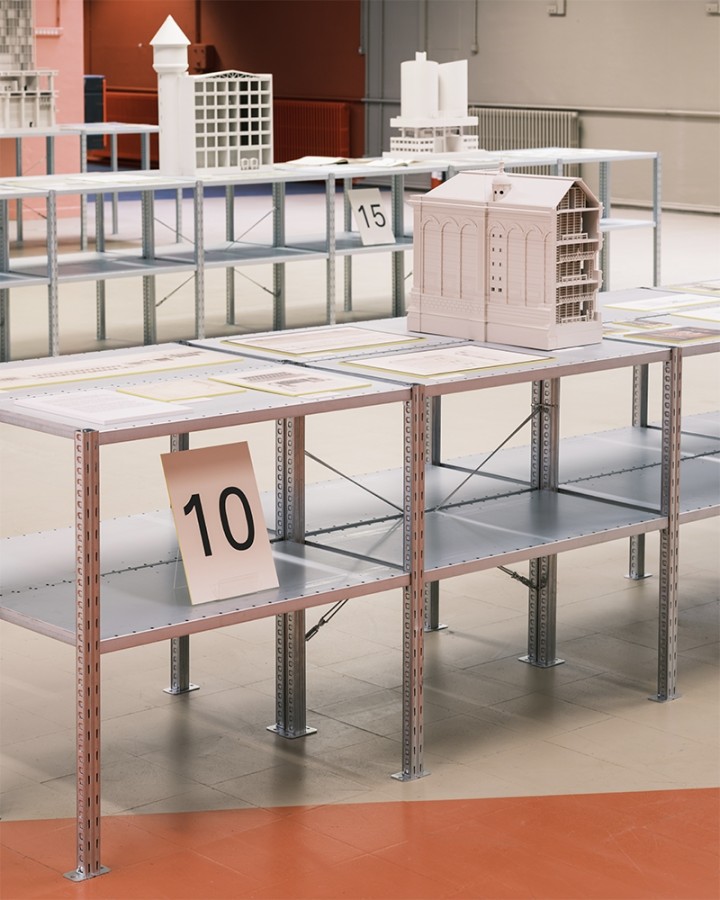
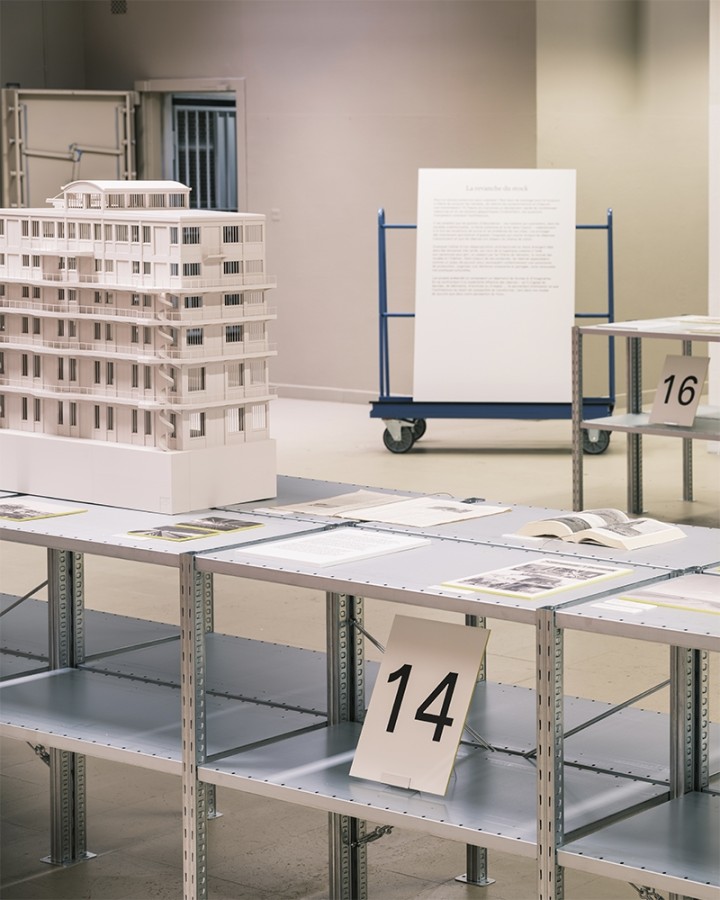
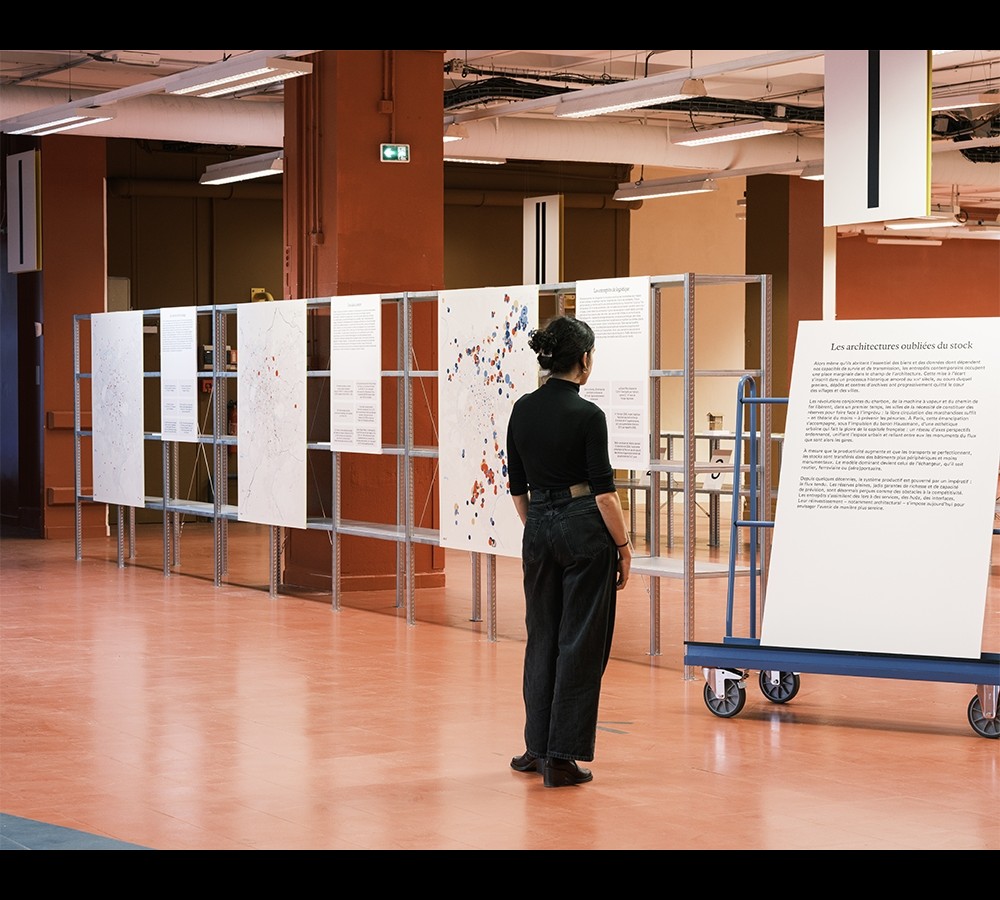
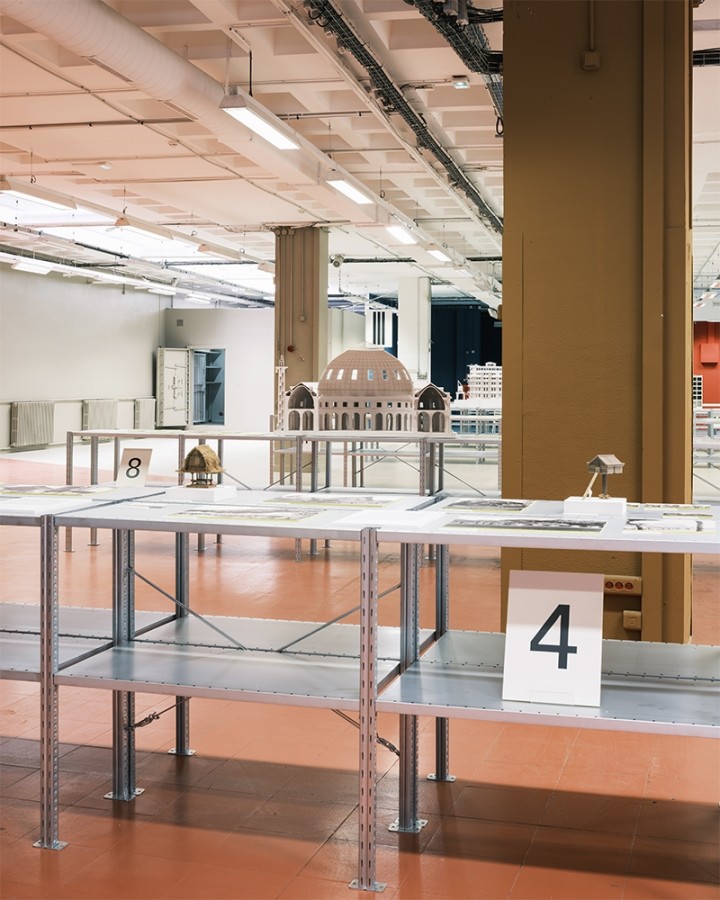
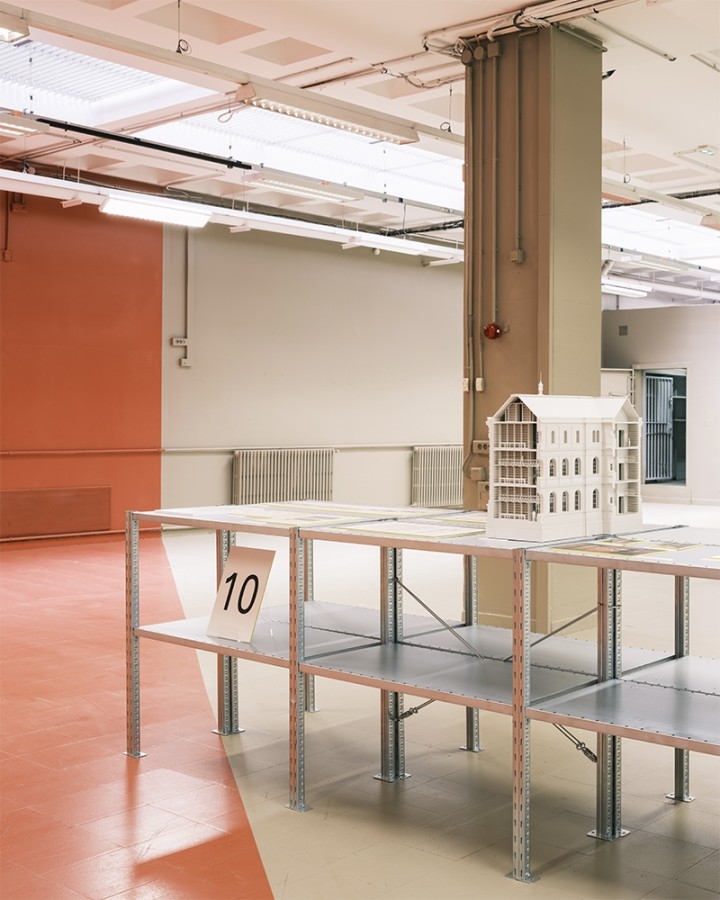
The exhibition Stock - Architectures of Survival and Transmission offers an overview of contemporary warehouses through maps, key statistics, and video installations. Through a selection of 18 architectural types—represented by models—the exhibition highlights the architectural forms that have historically served to house, transmit, and ritualize stock. A selection of diverse documents (plans, photos, archives, etc.) and filmed interviews with experts allows visitors to explore contemporary architectural approaches and projects that place stock back at the heart of cities and public discourse.
Because stockpiling isn’t just about hoarding indiscriminately.
It’s knowing that one day, we might run out.
It’s storing up for winter, saving for tomorrow.
It’s betting on what we believe is worth standing the test of time.
ABOUT THE EXHIBITION
Building on the experience gained in developing outreach programs for professionals, the general public, young audiences, and the social sector — during its first year of off-site programming — the Pavillon de l’Arsenal continues this momentum with the Stock exhibition by offering a diverse program of activities accessible to everyone.
How can we move beyond merely stockpiling at a distance and return to preserving?
The exhibition Stock: Architectures of Survival and Transmission views stockpiling as a key factor in our ability to weather supply crises and organize the transmission of resources. As a call to re-architect stockpiling, it encourages the preservation of materials already extracted and ready for transformation, rather than producing new ones every day.
Until the Industrial Revolution, storage facilities dotted both cities and the countryside, organizing the rhythms of daily life, embodying foresight, and personifying sharing and the passing of knowledge. Forgotten by the modernity of just-in-time and lean production, these structures may well return to the forefront in the near future.
The exhibition Stock - Architectures of Survival and Transmission offers an overview of contemporary warehouses through maps, key statistics, and video installations. Through a selection of 18 architectural types—represented by models—the exhibition highlights the architectural forms that have historically served to house, transmit, and ritualize stock. A selection of diverse documents (plans, photos, archives, etc.) and filmed interviews with experts allows visitors to explore contemporary architectural approaches and projects that place stock back at the heart of cities and public discourse.
Because stockpiling isn’t just about hoarding indiscriminately.
It’s knowing that one day, we might run out.
It’s storing up for winter, saving for tomorrow.
It’s betting on what we believe is worth standing the test of time.
ABOUT THE EXHIBITION
Building on the experience gained in developing outreach programs for professionals, the general public, young audiences, and the social sector — during its first year of off-site programming — the Pavillon de l’Arsenal continues this momentum with the Stock exhibition by offering a diverse program of activities accessible to everyone.
During the week, a docent is on hand to guide visitors through the exhibition. Every weekend, there are guided workshops designed by an independent cultural mediation firm BIM, are organized for families. They are complemented by special events: artist presentations, curator-led tours, and a lecture designed and hosted by tema.archi, as well as a brand-new program for Nuit Blanche. To take things a step further, the Pavillon de l'Arsenal is developing new, freely accessible educational resources—a game board and a quiz—that allow visitors to explore the exhibition independently and in a fun way.