
"A MIXED-USE BLOCK
The transformation of this industrial block in the city of Malakoff creates space for offices and workshops within a new architectural sequence that combines environmental requirements, architectural poetry, and a sense of place.
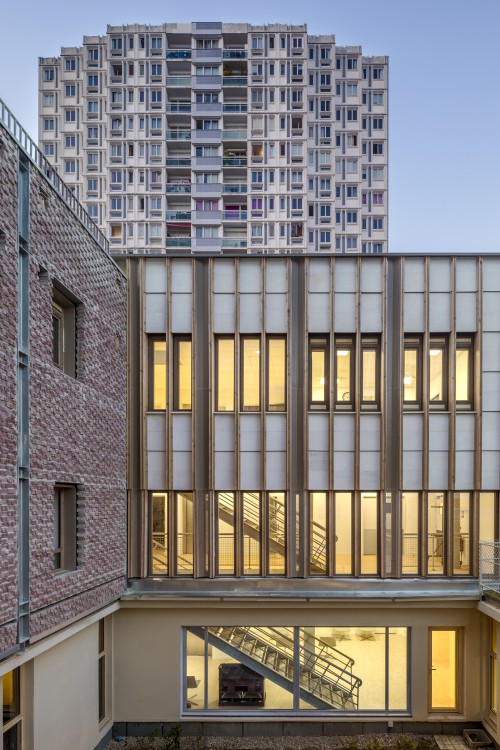
The renovation project offers an opportunity to understand the intrinsic qualities of the building’s various components, as well as the construction systems specific to each era and use, in order to make them visible and intelligible once again. The accumulation of successive extensions becomes the stuff of architecture, with this intervention proposing a new, coherent narrative on the scale of the site.
The transformation of this industrial block in the city of Malakoff creates space for offices and workshops within a new architectural sequence that combines environmental requirements, architectural poetry, and a sense of place.
The renovation project offers an opportunity to understand the intrinsic qualities of the building’s various components, as well as the construction systems specific to each era and use, in order to make them visible and intelligible once again. The accumulation of successive extensions becomes the stuff of architecture, with this intervention proposing a new, coherent narrative on the scale of the site.
TARGETED INTERVENTIONS
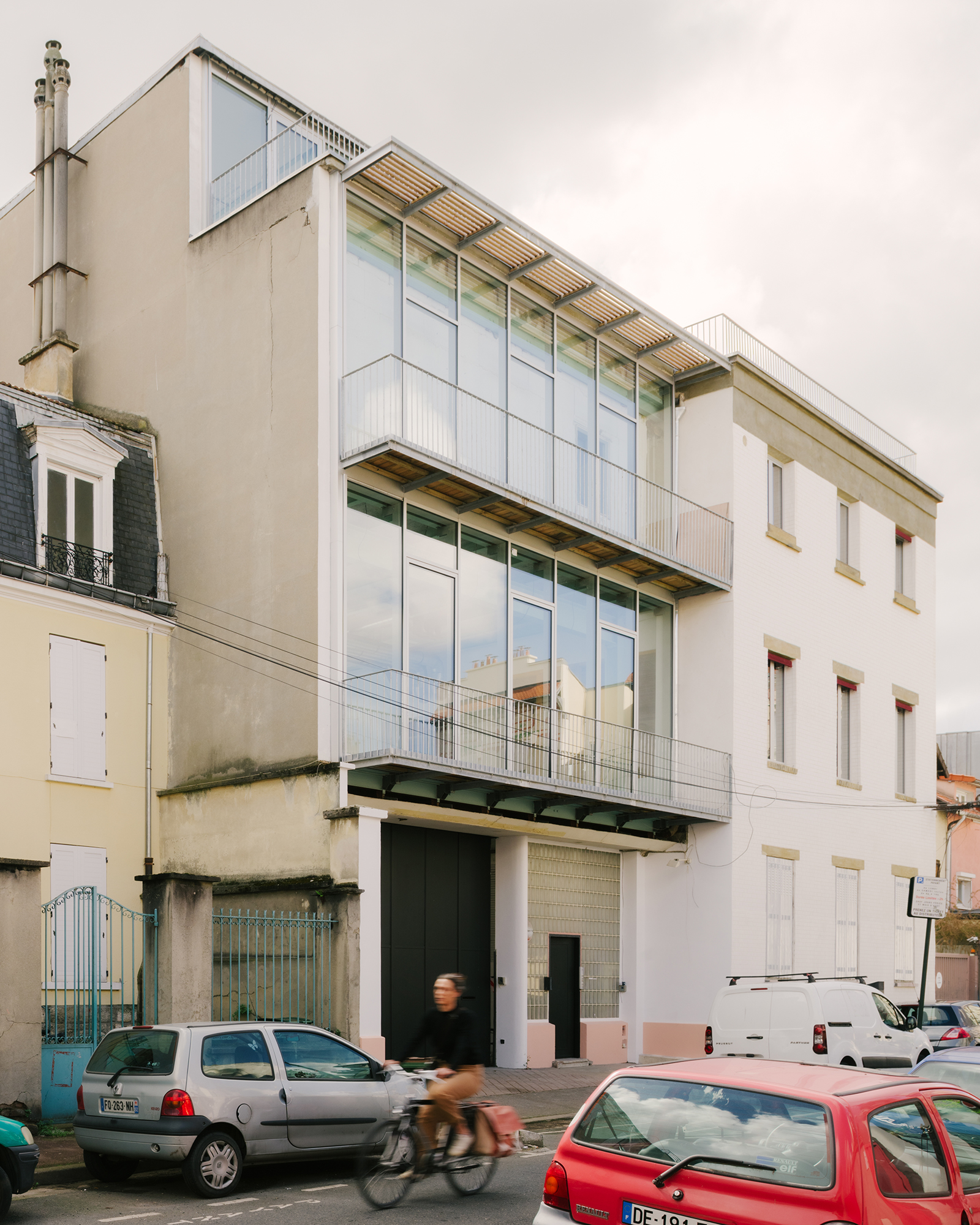
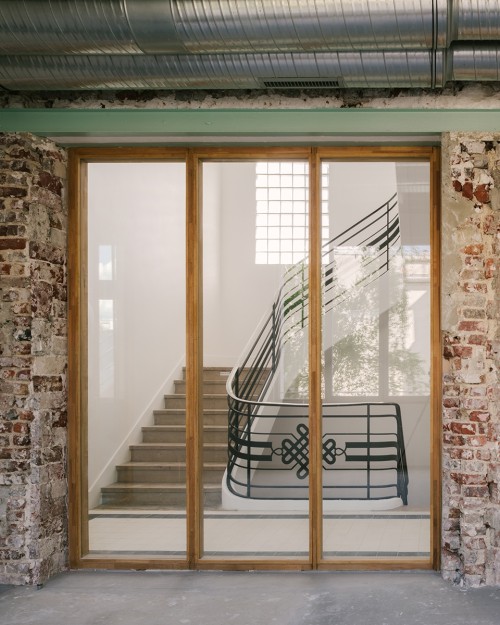
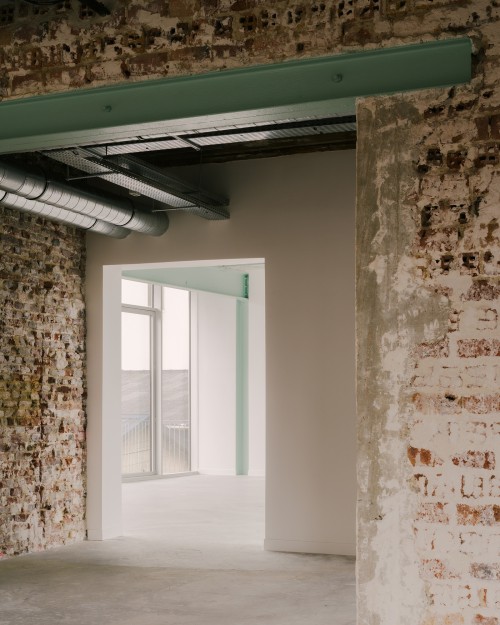
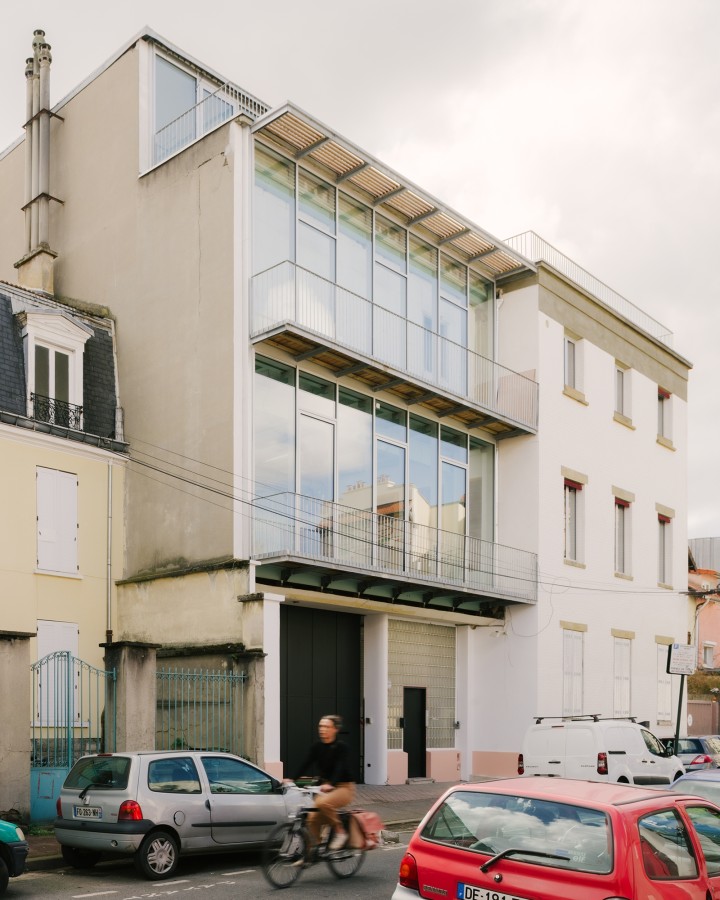
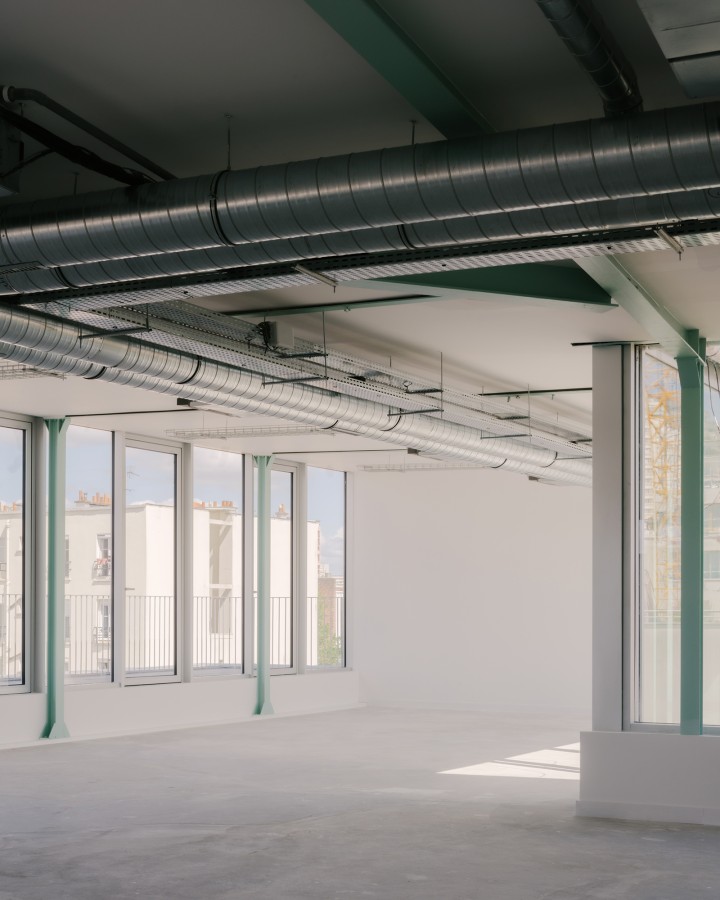
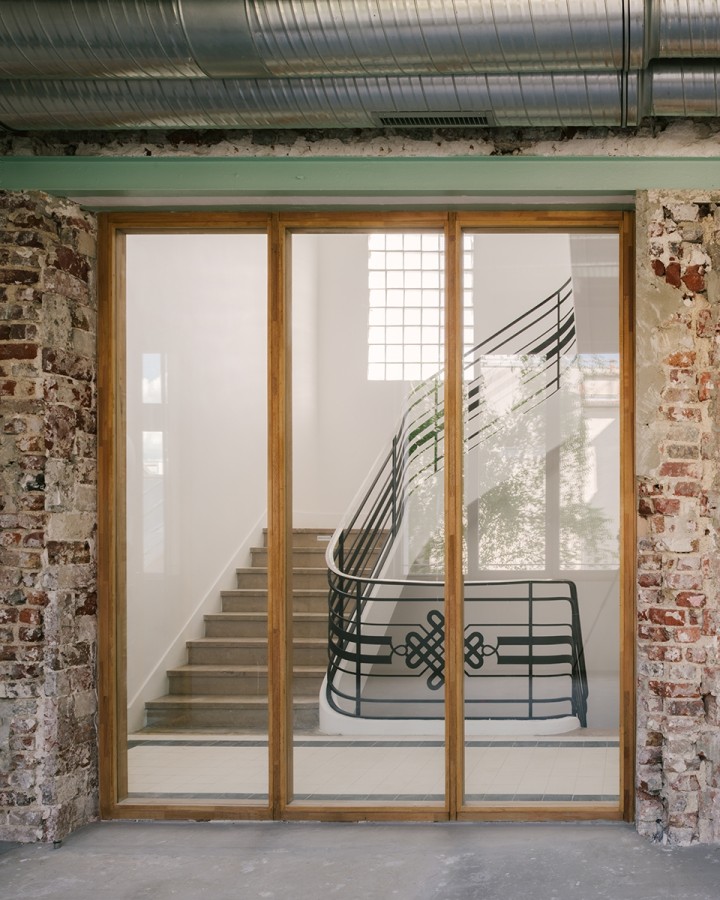
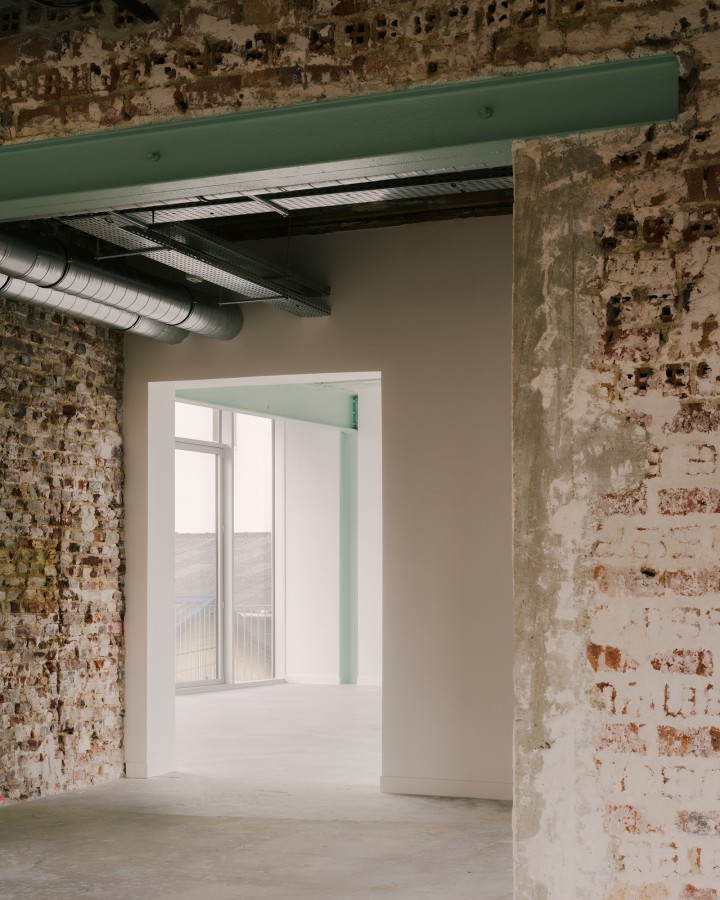
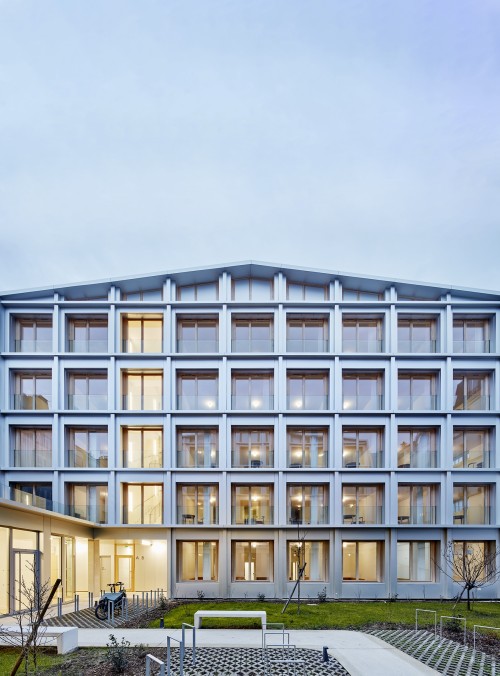
The original structure, dating from the early 20th century, has been stripped of its plaster to reveal the façade’s composition and the original brickwork, restoring its strong identity as a production facility. The 1950s extension, comprising the bridge building and the addition, is clad with a new curtain wall to replace the existing asbestos-containing one. Above the entrance, the project takes advantage of the removal of this extension to install cantilevered balconies that align with the street. These “extra” spaces offer a new quality to the premises and an outdoor area on each floor.
The floor plan design made it possible to preserve the entrance steps while making the building accessible to all through the precise placement of an elevator within the building. This new vertical connection element subtly becomes a focal point on the façade through the specific design of the joinery and, thanks to the transparency of its structure, allows light to reach the common landings.
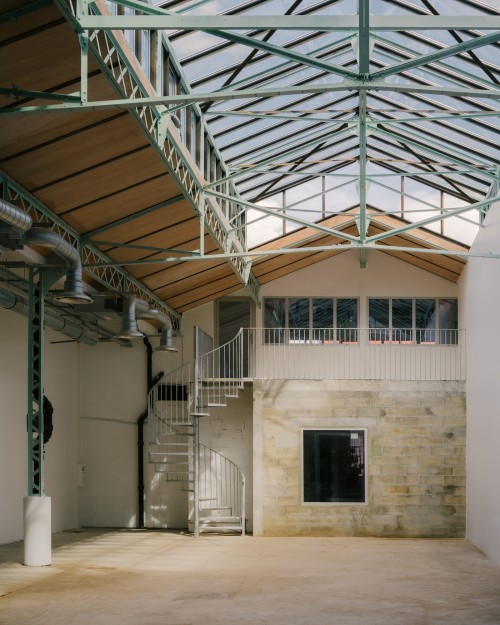
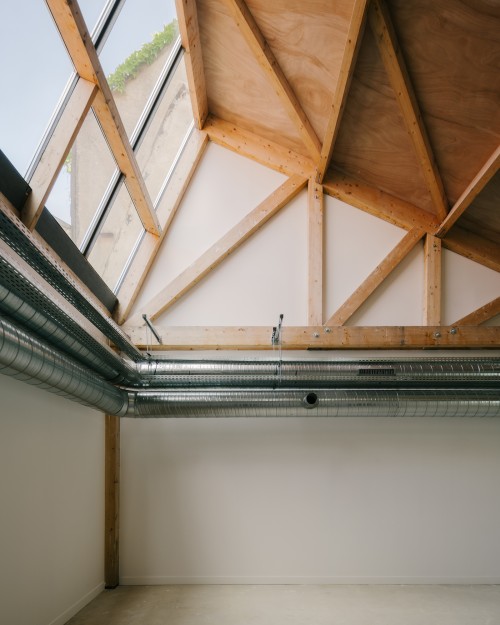
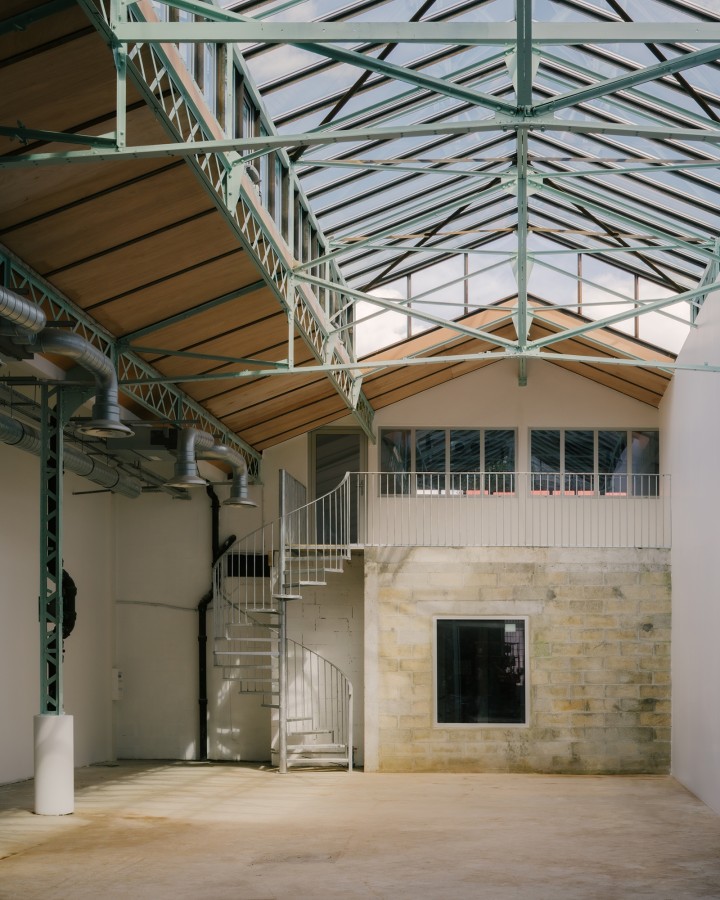
At the rear of the lot, the project aims to preserve the characteristic structures of the industrial spaces (warehouse and shed) and the spaciousness they provide, while controlling the environmental conditions to accommodate new activities. Once highlighted, the building systems clarify the different spaces and create atmospheres specific to each era of the site.
STRUCTURE AND CLIMATE
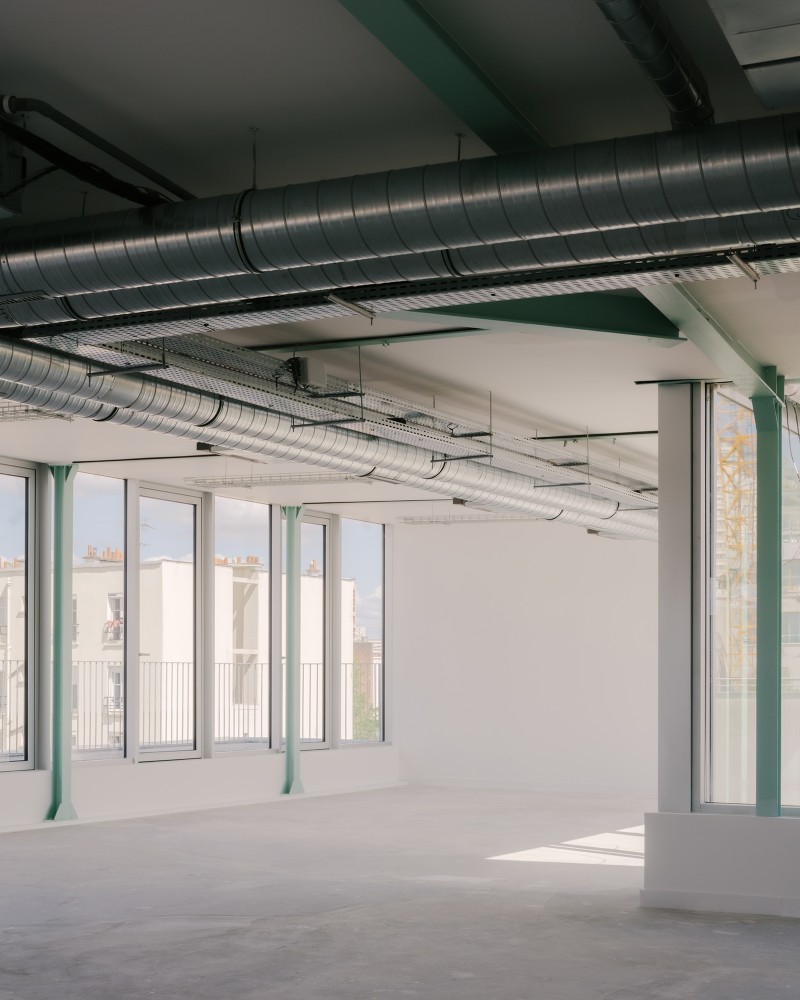
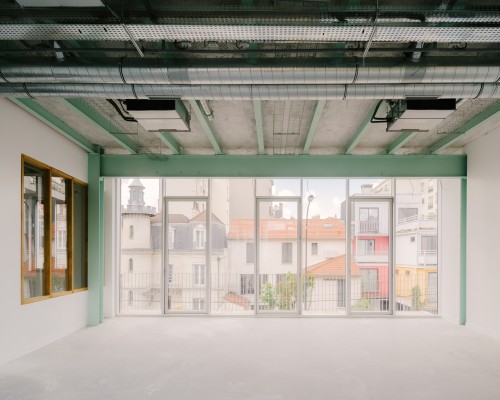
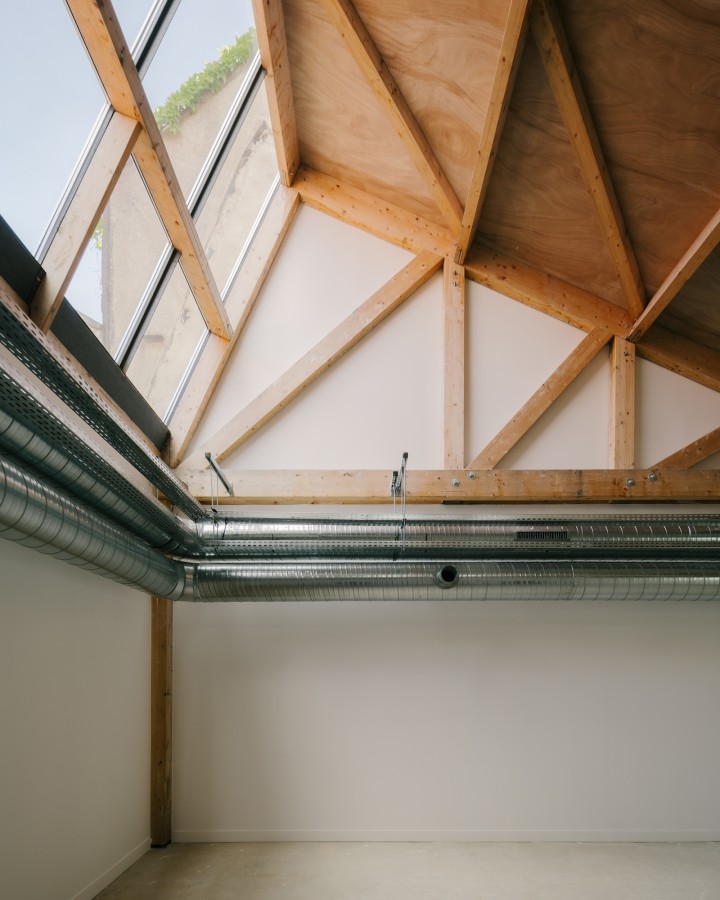
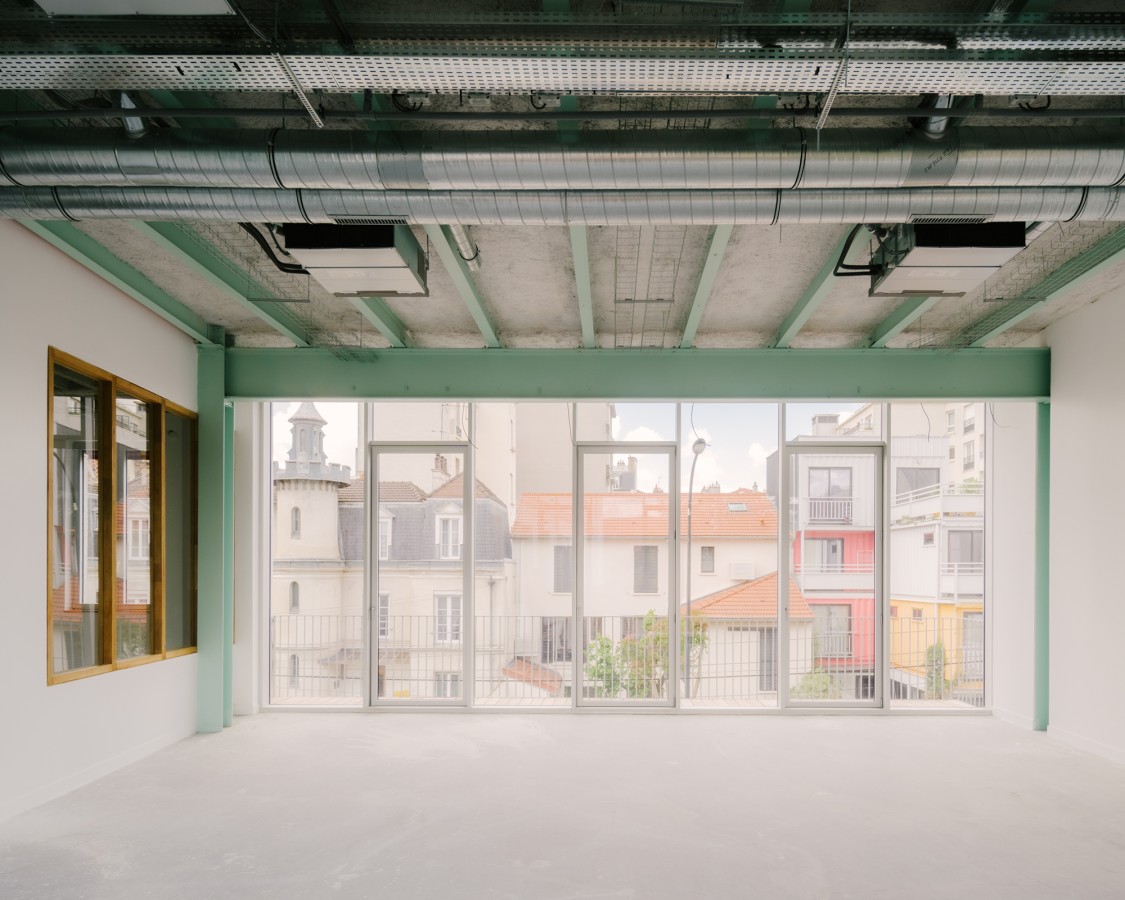
The intervention adapts to the specific characteristics of the various structures on the site to create ideal conditions for future uses. The goal is to minimize the amount of new material added by using it precisely to enhance the existing structures that are being preserved. The balconies and the building’s new façade, in particular, use steel and aluminum as the primary framework to create a delicate silhouette and provide the desired transparency without having to reinforce the existing metal structure. The same approach guides the work on the hall: glass is reserved for the central skylight to flood this space with light, while the perimeter roof is designed to be as lightweight as possible to maintain the original state of the roof structure with only a few localized reinforcements.
Natural lighting has become a key feature of interior spaces that harness solar heat for winter heating. In summer, this heat is controlled by exterior fabric awnings (main building) and solar-control glazing (hall). These simple systems work in conjunction with the building’s slim profile or the vertical draft effect to promote natural ventilation through openings arranged on the facade or along the height of the glass roof. The sizing and use of mechanical equipment can thus be minimized.
Inside the building, the openings uncovered during construction are preserved through glass walls distinguished by their wooden frames. These create unique views that connect spaces and structures from different eras. Wood, also present in the hall and forming the framework of the reconstructed shed, addresses technical (lightness) and logistical (accessibility at the rear of the site) challenges while imparting visual and tactile qualities to the spaces it shapes." - Barre Bouchetard Architecture | B2A